

 English
 français
 русский
 español
يبحث
ما الذي تبحث عنه?
يبحث

الإدارة الحرارية في محطات الاتصالات المتنقلة (COW) هي الانضباط الهندسي لحساب والتحكم في وإزالة الحرارة الناتجة عن إلكترونيات الاتصالات المكدسة بكثافة - وحدات النطاق الأساسي (BBUs)، ووحدات الراديو عن بُعد (RRUs)، ومزودات الطاقة، وبطاريات النسخ الاحتياطي - داخل خزانة محصورة ومقاومة للعوامل الجوية. يتراوح إجمالي الحمل الحراري في خزانة 5G COW الحديثة عادةً من 800 إلى 1,500 واط لتكوينات ما دون 6 جيجاهرتز، مع دفع معدات الموجات المليمترية (mmWave) للكثافات الموضعية إلى 3,000–5,000 واط. تجمع الإدارة الحرارية الفعالة بين الحساب الدقيق للحمل الحراري، والاختيار الذكي لأنظمة التبريد (مراوح الفلتر، أو المبادلات الحرارية من الهواء إلى الهواء، أو مكيفات الهواء النشطة)، واستراتيجيات التحكم الذكية التي توازن بين موثوقية المعدات وكفاءة الطاقة. عند تصميم هذه الأنظمة بشكل صحيح، فإنها تحافظ على درجات الحرارة الداخلية للخزانة ضمن -5°C إلى +45°C نطاق التشغيل المطلوب لإلكترونيات الاتصالات، حتى عندما تتجاوز درجات الحرارة المحيطة الخارجية 50°C.
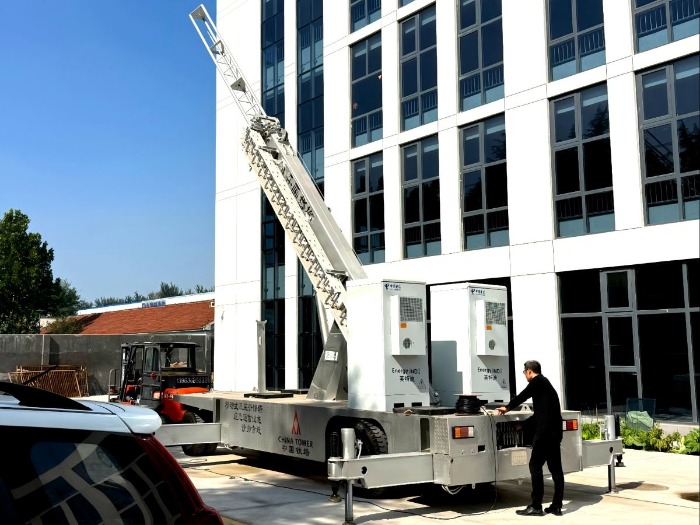
تعمل معدات 5G بحرارة أعلى بكثير من 4G: تشتت خزانة 5G لما دون 6 جيجاهرتز عادةً 800–1,500 واط من الحرارة - أي من ثلاثة إلى سبعة أضعاف وحدة 4G RRU. في تكوينات C-RAN، يمكن لخزانة BBU واحدة تحتوي على 10–15 وحدة أن تولد 7–15 كيلوواط من الحرارة.
يتكون حساب الحمل الحراري من عنصرين: إجمالي الحمل الحراري = حرارة المعدات الداخلية (استهلاك الطاقة المحول إلى حرارة) + الحرارة البيئية الخارجية (الإشعاع الشمسي وانتقال درجة الحرارة المحيطة عبر جدران الخزانة).
ثلاث طرق تبريد أساسية: مراوح الفلتر (الأقل تكلفة، تعتمد على درجة الحرارة المحيطة)، والمبادلات الحرارية من الهواء إلى الهواء (مغلقة، للمناخات المعتدلة)، ومكيفات الهواء النشطة/المبردات الكهروحرارية (أعلى قدرة تبريد، للبيئات القاسية).
تتطلب الخزانات المغلقة استراتيجيات مختلفة: بالنسبة للخزانات المقاومة للغبار أو المصنفة وفق معيار IP والتي لا يمكنها استخدام الهواء المحيط، فإن المبادلات الحرارية أو مكيفات الهواء إلزامية.
التحكم الذكي يوفر الطاقة: يمكن لأجهزة التحكم الذكية في درجة الحرارة التي تعدل مخرجات التبريد بناءً على الحمل الحراري في الوقت الفعلي تقليل استهلاك طاقة التبريد بنسبة تصل إلى 60% مقارنة بالأنظمة التي تعمل باستمرار.
لقد غير الانتقال من 4G إلى 5G بشكل جذري المظهر الحراري لمعدات الاتصالات. استهلاك الطاقة لمحطة قاعدة 5G قياسية عادة ما يكون من 2 إلى 4 أضعاف سلفها من الجيل الرابع 4G. وفقاً لبيانات China Tower، يستهلك موقع 5G واحد 2.5 إلى 3.5 ضعف طاقة موقع 4G - ومن منظور التصميم الحراري، هذا يعني أن توليد الحرارة يزداد بشكل متناسب.
تشمل مصادر الحرارة الرئيسية في خزانة معدات COW ما يلي:
| المكون | استهلاك الطاقة النموذجي | خصائص توليد الحرارة |
|---|---|---|
| وحدة النطاق الأساسي (BBU) | 250–1,400 واط (5G مقابل 4G: زيادة بمقدار 5–6 أضعاف) | حرارة مستمرة أثناء التشغيل؛ تتركز في وحدات مدمجة |
| وحدة الراديو عن بُعد (RRU/AAU) | 130–400 واط لكل وحدة؛ 5G AAU تعادل 3–4 أضعاف 4G RRU | كثافة طاقة عالية؛ غالباً ما تعتمد التصميمات التي لا تحتوي على مراوح على التبريد السلبي |
| وحدة إمداد الطاقة | يختلف حسب التكوين | 3–10% من طاقة الخرج تُفقد كحرارة اعتماداً على الكفاءة |
| بطاريات احتياطية | خسائر الشحن/التفريغ | حرارة كبيرة أثناء دورات الشحن؛ عمر افتراضي حساس لدرجة الحرارة |
في بنيات C-RAN (شبكة الوصول الراديوي المركزية)، يتفاقم تحدي الحرارة. يمكن لخزانة واحدة تضم 10 وحدات BBU أن تولد 7–10 kW من الحرارة—أي أكبر بمرتين إلى 3 مرات من مجمعات وحدات BBU في عصر 4G. يتطلب هذا التركيز الحراري في حاوية مدمجة هندسة حرارية جادة.
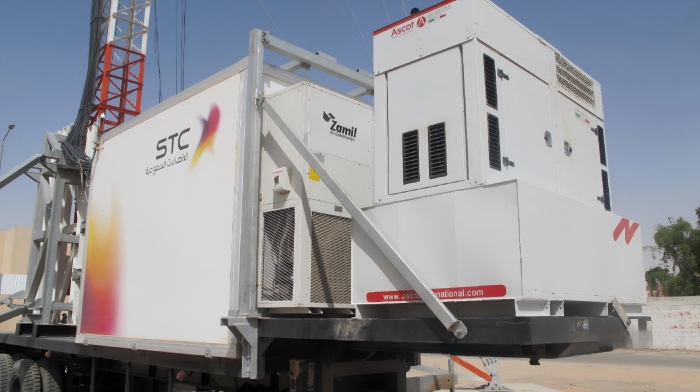
تمتلك إلكترونيات الاتصالات نطاقات تشغيل ضيقة لدرجة الحرارة. يجب أن تعمل معدات الاتصالات الخارجية عادةً بشكل موثوق من -40°C to +45°C، وفي بعض الحالات تصل إلى +55°C. يؤدي تجاوز هذه الحدود إلى:
· فشل المكونات المبكر: كل زيادة بمقدار 10 درجات مئوية فوق درجة الحرارة المقدرة يمكن أن تقلل عمر مكونات أشباه الموصلات إلى النصف
· عدم استقرار النظام: تقوم المعالجات بتقليل الأداء أو التوقف عن العمل لمنع التلف
· تدهور البطارية: تفقد بطاريات الرصاص الحمضية والليثيوم سعتها وعمرها الافتراضي عند درجات الحرارة المرتفعة
· زيادة تكاليف الصيانة: استبدال متكرر للمكونات وزيارات طارئة للموقع
على عكس رفوف مراكز البيانات التي تستفيد من هواء الغرف المكيف ومسارات تدفق الهواء المتحكم فيها، يجب على حاويات الاتصالات الخارجية طرد الحرارة مع مقاومة المطر، والغبار، والأشعة فوق البنفسجية، والاهتزاز، وأحياناً الملح أو الرمل. هذا يعني:
يجب أن تكون الحاويات محكمة الإغلاق لتلبية تصنيفات IP55 أو NEMA 4X
مسارات تدفق الهواء مقيدة بتخطيط المعدات وهندسة الخزانة
يضيف الإشعاع الشمسي حملاً حرارياً خارجياً كبيراً—يصل إلى 1,000 W/m² على الأسطح المعرضة للشمس
يعد حساب الحمل الحراري الدقيق الخطوة الأولى والأكثر أهمية في تصميم نظام الإدارة الحرارية لـ COW. يتكون إجمالي الحمل الحراري من عنصرين.
الحمل الحراري للمعدات هو مجموع الحرارة الناتجة عن جميع المكونات النشطة داخل الخزانة. بالنسبة للمعدات الإلكترونية، يتم تحويل كل طاقة الإدخال تقريباً إلى حرارة.
الطريقة 1: طريقة طاقة الإدخال (تقدير متحفظ)
بالنسبة للمعدات التي لا تحتوي على مخرجات ميكانيكية كبيرة، افترض أن 100% من طاقة الإدخال تتحول إلى حرارة:
Q_equipment = P_equipment × n
حيث:
Q_equipment = الحمل الحراري للمعدات (كيلوواط)
P_equipment = استهلاك الطاقة لجهاز واحد (كيلوواط)
n = عدد الأجهزة
الطريقة 2: الطريقة القائمة على الكفاءة (أكثر دقة)
لمعدات تحويل الطاقة مثل المقومات ووحدات UPS، استخدم الكفاءة:
الحرارة = طاقة الإدخال × (1 - الكفاءة)
مثال: مزود طاقة بوضع التبديل بقدرة 5 كيلوواط وكفاءة 94% يولد 300 واط من الحرارة.
الطريقة 3: طريقة متوسط الحمل (للمعدات المتقطعة)
لأجهزة الراديو ذات دورات التشغيل، احسب متوسط الحرارة:
متوسط الحرارة = ذروة الحرارة × دورة التشغيل
مثال: جهاز راديو بقدرة 50 واط بكفاءة 50% ودورة تشغيل 25% يولد 6.25 واط كمتوسط حرارة.
الأحمال الحرارية النموذجية للمعدات:
| نوع المعدات | الحمل الحراري النموذجي |
|---|---|
| 4G RRU | 200–500 واط |
| خزانة 5G Sub-6 GHz (إجمالي) | 800–1,500 واط |
| معدات 5G mmWave (موضعية) | 3,000–5,000 واط |
| وحدة BBU مفردة (5G) | 250–1,400 واط |
| مجموعة BBU (10 وحدات) | 7–10 كيلوواط |
| مزود طاقة (5 كيلوواط، كفاءة 94%) | 300 واط |
تدخل الحرارة إلى الخزانة عبر جدرانها من الإشعاع الشمسي ودرجة الحرارة المحيطة:
Q_external = U × A × ΔT
حيث:
Q_external = الحمل الحراري الخارجي (واط)
U = معامل انتقال الحرارة لمادة الخزانة (واط/م²·كلفن)
A = مساحة سطح الخزانة (م²)
ΔT = فرق درجة الحرارة بين الداخل والخارج (كلفن)
للإشعاع الشمسي، استخدم:
Q_solar = Solar_Load × A_exposed × Solar_Absorptivity
عوامل رئيسية:
يمكن للخزانة ذات اللون الداكن المعرضة لأشعة الشمس المباشرة أن تمتص 80-90% من الإشعاع الشمسي
يمكن للخزانة ذات اللون الفاتح أو المظللة أن تقلل من الكسب الحراري الشمسي بشكل كبير
أظهرت الاختبارات أن واقيات الشمس يمكن أن تقلل درجات الحرارة الداخلية للخزانة بمقدار ما يصل إلى 5 درجات مئوية
إجمالي الحمل الحراري هو مجموع الأحمال الداخلية والخارجية:
Q_total = Q_equipment + Q_external
يجب أن تتضمن سعة التبريد المطلوبة عامل أمان:
Q_cooling = Q_total × Safety_Factor
حيث يتراوح عامل الأمان عادةً من 1.1 إلى 1.3.
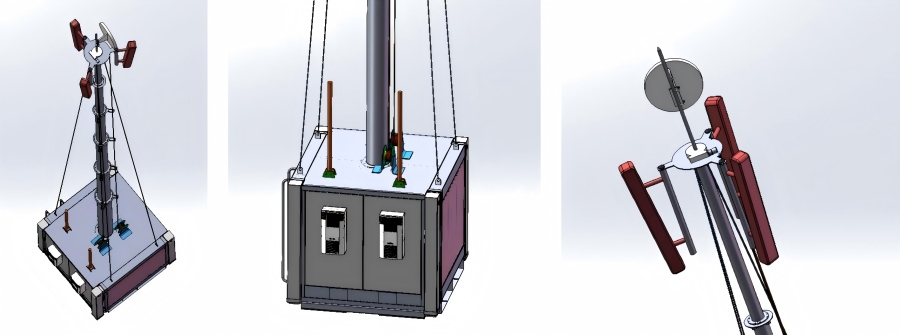
لا توجد طريقة تبريد واحدة مثالية لكل عملية نشر لـ COW. يعتمد الاختيار الصحيح على الظروف المحيطة، والحمل الحراري، وتوافر الطاقة، وقيود الصيانة.
| الطريقة | المبدأ | الأفضل لـ |
|---|---|---|
| مراوح الفلتر | دفع الهواء المحيط عبر الفلاتر | المناخات المعتدلة، الأحمال الحرارية المنخفضة، البيئات النظيفة |
| مبادل حراري من الهواء إلى الهواء | نقل الحرارة عبر قلب مغلق دون خلط الهواء | المناخات المعتدلة، الحاويات المغلقة، الأحمال الحرارية المتوسطة |
| مبرد كهروحراري (TEC) | تبريد الحالة الصلبة بتأثير بلتيير | الأنظمة المدمجة/البعيدة، توفر طاقة التيار المستمر |
| مكيف هواء نشط | تبريد بضغط البخار | درجات الحرارة المحيطة المرتفعة، الأحمال الحرارية العالية، التحكم الدقيق |
كيف تعمل: تسحب المراوح الهواء الخارجي عبر الفلاتر إلى داخل الخزانة، وتطرد الهواء الداخلي الساخن.
متى تستخدم:
درجة الحرارة المحيطة أقل باستمرار من درجة الحرارة الداخلية المستهدفة
حمل حراري منخفض (عادةً
بيئة نظيفة ذات غبار ورطوبة منخفضين
بيانات الأداء:في اختبار خاضع للرقابة، حافظت خزانة مبردة بمروحة على درجة حرارة داخلية تبلغ 44 درجة مئوية عند درجة حرارة محيطة 40 درجة مئوية—أي أعلى بـ 4 درجات مئوية من درجة الحرارة المحيطة. وبدون مراوح، يمكن أن يصل فرق درجة الحرارة إلى 8.5 درجة مئوية أو أكثر.
الإيجابيات: أقل تكلفة، سهولة في التركيب، استهلاك منخفض للطاقة.
السلبيات: تتطلب الفلاتر استبدالاً منتظماً؛ غير مناسبة للمناطق المتربة أو ذات الرطوبة العالية؛ لا يمكنها التبريد إلى أقل من درجة الحرارة المحيطة.
كيفية عملها: ينقل قلب مغلق الحرارة من الهواء الداخلي إلى الهواء الخارجي دون خلط التيارين. تقوم مراوح داخلية وخارجية بتدوير الهواء عبر قنوات منفصلة في القلب.
متى يتم استخدامها:
مطلوب حاوية مغلقة (يجب الحفاظ على تصنيف IP)
المناخات المعتدلة حيث تكون درجة الحرارة الخارجية أقل من الداخلية
أحمال حرارية تتراوح عادة بين 800 و1,500 واط مع دعم مروحة EC
الإيجابيات: لا توجد مبردات، استهلاك منخفض للطاقة، الحفاظ على تصنيف IP، صيانة بحد أدنى.
السلبيات: لا يمكنها التبريد إلى أقل من درجة الحرارة المحيطة؛ تكلفة أولية أعلى من المراوح؛ تتطلب تنظيفاً دورياً للقلب.
ملاحظة الاختيار: "يمكن استخدام المبادلات الحرارية إذا كان من الممكن السماح لدرجة الحرارة داخل الخزانة بأن تظل أعلى بشكل معتدل من درجة الحرارة المحيطة".
كيفية عملها: تستخدم أجهزة Peltier ذات الحالة الصلبة تياراً مستمراً (DC) لإنشاء فرق في درجة الحرارة، مما ينقل الحرارة من الجانب البارد (الداخل) إلى الجانب الساخن (الخارج).
متى يتم استخدامها:
الأنظمة المدمجة أو البعيدة التي تتطلب تبريداً نشطاً
توفر طاقة تيار مستمر (48 فولت عادةً)
متطلبات تبريد معتدلة
بيانات الأداء: في اختبار درجات الحرارة المرتفعة (40 درجة مئوية محيطة)، حافظت خزانة مبردة بـ TEC على درجة حرارة داخلية 25 درجة مئوية—أي 15 درجة مئوية أقل من درجة الحرارة المحيطة.
الإيجابيات: خالية من الصيانة (لا توجد أجزاء متحركة)، خالية من الاهتزازات، صديقة للبيئة، تعمل مباشرة على طاقة التيار المستمر.
السلبيات: كفاءة أقل من الأنظمة القائمة على الضاغط؛ سعة تبريد محدودة.
كيفية عملها: تبريد بضغط البخار مع ضاغط، ومكثف، ومبخر، وصمام تمدد—نفس مبدأ مكيف هواء الغرفة.
متى يتم استخدامها:
درجات حرارة محيطة عالية (أعلى من 40 درجة مئوية)
أحمال حرارية داخلية عالية (1,500 واط فأكثر)
عندما يجب أن تكون درجة الحرارة الداخلية مساوية أو أقل من درجة الحرارة المحيطة
الإيجابيات: أعلى سعة تبريد؛ تحكم دقيق في درجة الحرارة؛ مناسبة للحرارة والرطوبة الشديدة.
السلبيات:أعلى استهلاك للطاقة؛ الأجزاء المتحركة تتطلب صيانة؛ تكلفة أولية أعلى.
اعتبارات الاختيار:
متطلبات حمل التبريد
متطلبات درجة الحرارة
متطلبات الرطوبة
المتطلبات المكانية
التكاليف الأولية وتكاليف التشغيل
في باكستان، أظهر الاختبار الميداني في درجات حرارة محيطة تتراوح بين 27 و46 درجة مئوية أن التبريد القائم على TEC حافظ على درجات حرارة خزانة البطارية الداخلية عند 21-29 درجة مئوية - وهو فرق يصل إلى 17 درجة مئوية.
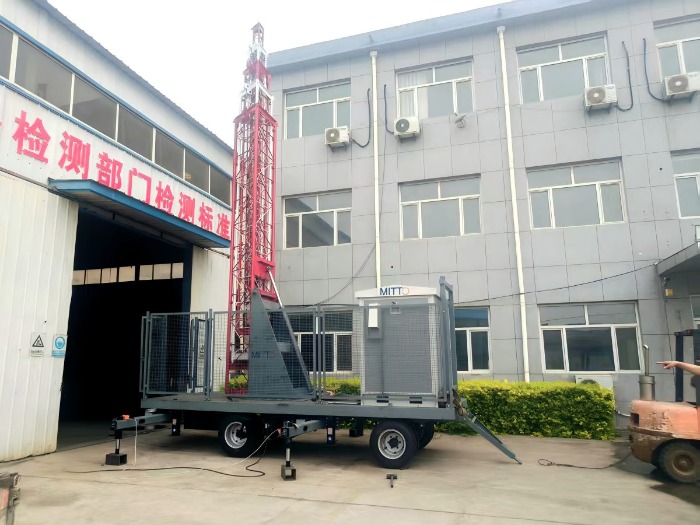
تستخدم أنظمة إدارة الحرارة الحديثة في COW وحدات تحكم ذكية تقوم بتعديل مخرجات التبريد بناءً على الظروف في الوقت الفعلي بدلاً من التشغيل المستمر. تشمل الفوائد:
تقليل استهلاك الطاقة:الأنظمة التي تعمل وتتوقف بناءً على الطلب يمكنها تحقيق وفورات في الطاقة بنسبة 40-60% مقارنة بالتشغيل المستمر
إطالة عمر المعدات:دورة تشغيل أقل تعني تآكلاً أقل في المكونات الميكانيكية
المراقبة عن بعد:يمكن مراقبة درجة الحرارة والرطوبة وحالة النظام والتحكم فيها عن بعد
بالنسبة للخزائن التي تحتوي على معدات وبطاريات معاً، يقوم التبريد المقسم إلى مناطق بفصل الحجرات:
حجرة المعدات:مكيف هواء قياسي أو مبادل حراري
حجرة البطارية:مكيف هواء تيار مستمر (DC) أصغر أو مبرد TEC
يقلل هذا النهج من استهلاك الطاقة الإجمالي من خلال تطبيق التبريد فقط حيثما وعندما تكون هناك حاجة إليه.
خيارات التصميم البسيطة يمكن أن تقلل بشكل كبير من الطلب على التبريد:
اللمسات النهائية الخارجية ذات الألوان الفاتحةتقلل من امتصاص الطاقة الشمسية
واقيات الشمس أو المظلاتيمكن أن تقلل درجات الحرارة الداخلية بمقدار 5 درجات مئوية
المسافات المناسبة بين المعداتداخل الخزانة تحسن الحمل الحراري الطبيعي
العزل الحراريفي جدران الخزانة يقلل من انتقال الحرارة الخارجية
تستخدم العديد من عمليات نشر COW مآوي معدات يمكن دخولها ومزودة بأنظمة تكييف هواء (HVAC). توفر هذه المآوي:
·مساحة واسعة للرفوف لاستيعاب رفوف راديو متعددة وترقيات مستقبلية
· بيئة مكيفة لجميع الأجهزة الإلكترونية
· خزائن مقاومة للتخريب بتصنيف IP55
· هيكل من ألواح الساندويتش المعزولة لتحقيق الكفاءة الحرارية
يجب أن يتم نشر أبراج الاتصالات المتنقلة (COWs) بسرعة—غالباً في غضون 30 دقيقة إلى 8 ساعات. وهذا يعني:
· يجب أن تكون أنظمة التبريد مثبتة ومختبرة مسبقاً في المصنع
· وصلات جاهزة للتشغيل الفوري (Plug-and-play) للطاقة والتحكم
· نطاق واسع لدرجات حرارة التشغيل (-25 درجة مئوية إلى +55 درجة مئوية) لبيئات النشر المتنوعة
غالباً ما تعمل أبراج الاتصالات المتنقلة (COWs) في مواقع ذات طاقة شبكة محدودة أو معدومة. تعد كفاءة الطاقة في التبريد أمراً بالغ الأهمية لأن:
· يمكن أن يستهلك التبريد 20-40% من إجمالي طاقة الموقع
· يزداد استهلاك وقود المولد مع زيادة حمل التبريد
· يقل وقت تشغيل البطارية مع زيادة الطلب على التبريد
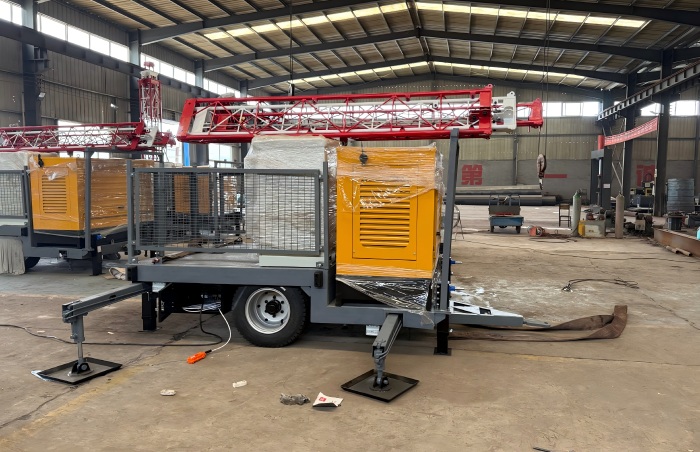
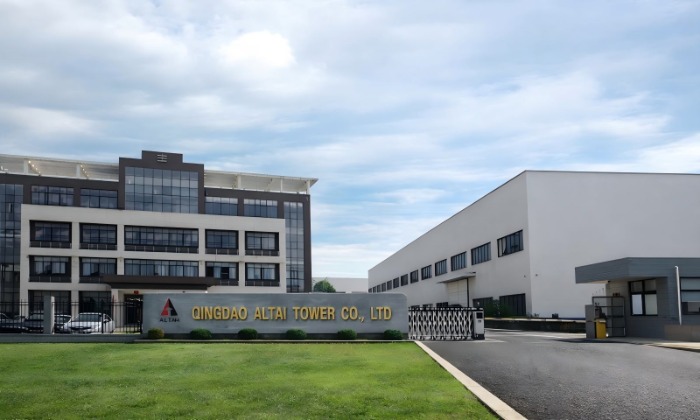
شركة Qingdao Altai Tower Co., Ltd. هي شركة مصنعة متخصصة لأبراج الاتصالات وهياكل الاتصالات المتنقلة، تأسست عام 2003. تقدم الشركة مجموعة من حلول أبراج الاتصالات المتنقلة (COW) مع إدارة حرارية متكاملة.
تتميز ملاجئ معدات أبراج الاتصالات المتنقلة (COW) من Qingdao Altai Tower بما يلي:
· ملجأ معدات مكيف يمكن دخوله لاستيعاب رفوف راديو متعددة
· خزانة معزولة ومقاومة للتخريب بتصنيف IP55
· وحدة تحكم متكاملة في درجة الحرارة
· تشغيل في نطاق واسع لدرجات الحرارة: -25 درجة مئوية إلى +55 درجة مئوية
· هيكل مقاوم للعوامل الجوية للنشر في ظروف الأعاصير والفيضانات والمرتفعات العالية
| القدرة | المواصفات |
|---|---|
| تصنيف الخزانة | IP55، مقاومة للتخريب |
| نطاق درجة الحرارة | -25 درجة مئوية إلى +55 درجة مئوية |
| HVAC | مدمج، ومختبر في المصنع |
| مساحة الرف | كافية لأجهزة راديو متعددة وترقيات مستقبلية |
| الهيكل | ألواح شطيرة معزولة |
تدمج Qingdao Altai Tower التحقق من الجودة خلال عملية التصنيع بأكملها، بما في ذلك اختبار جميع أنظمة التحكم في درجة الحرارة قبل التسليم. يتم تشغيل واختبار المعدات والمولد ووحدة التحكم في درجة الحرارة في وقت واحد قبل الشحن.
| الحالة | التبريد الموصى به | الأساس المنطقي |
|---|---|---|
| درجة حرارة محيطة | مراوح الفلتر | أقل تكلفة، تبريد كافٍ |
| درجة حرارة محيطة | مبادل حراري من الهواء إلى الهواء | يحافظ على تصنيف IP، صيانة منخفضة |
| درجة حرارة محيطة 35–45 درجة مئوية، حمل حراري متوسط | مبرد كهروحراري (TEC) | تبريد نشط، تشغيل بالتيار المستمر، الحالة الصلبة |
| درجة حرارة محيطة >45 درجة مئوية أو حمل حراري مرتفع (>1500 واط) | مكيف هواء نشط | أعلى قدرة تبريد، تحكم دقيق |
| المناطق ذات الغبار/الرطوبة العالية | مبادل حراري أو مكيف هواء | نظام محكم يمنع التلوث |
| المواقع النائية/خارج الشبكة | TEC أو مكيف هواء عالي الكفاءة يعمل بطاقة التيار المستمر | كفاءة الطاقة أمر بالغ الأهمية |
| حجرة البطارية | مكيف هواء صغير منفصل أو TEC | التبريد المقطعي يحسن استخدام الطاقة |
الإدارة الحرارية في حاويات معدات COW ليست اعتباراً ثانوياً—بل هي تخصص هندسي حيوي يحدد بشكل مباشر الموثوقية، والعمر التشغيلي، وتكلفة تشغيل مواقع الخلايا المتنقلة. لقد جعل الانتقال إلى 5G إدارة الحرارة أكثر تحدياً من أي وقت مضى، مع زيادة استهلاك الطاقة وتوليد الحرارة بمقدار 2 إلى 4 مرات مقارنة بمعدات 4G.
تتطلب الإدارة الحرارية الفعالة ما يلي:
· حساب دقيق للحمل الحراري—مع مراعاة كل من حرارة المعدات الداخلية والأحمال البيئية الخارجية
· اختيار نظام التبريد المناسب—مطابقة الطريقة (مراوح الفلتر، المبادلات الحرارية، TEC، أو مكيف الهواء) مع ظروف الموقع المحددة
· التحكم الذكي—استخدام وحدات تحكم ذكية في درجة الحرارة لتحسين استخدام الطاقة
· التصميم المتكامل—ضمان أن أنظمة التبريد مثبتة في المصنع، ومختبرة مسبقاً، وجاهزة للنشر السريع
بالنسبة لمشغلي الشبكات وفرق الاستجابة للطوارئ الذين ينشرون COWs في بيئات متنوعة—من حرارة الصحراء إلى رطوبة السواحل وبرودة الشتاء—تضمن استراتيجية الإدارة الحرارية الصحيحة بقاء روابط الاتصال الحيوية قيد التشغيل عندما تكون في أمس الحاجة إليها.
هل أنت مستعد لنشر حلول COW مع إدارة حرارية موثوقة لمشروعك القادم؟ اتصل بفريق الهندسة في Qingdao Altai Tower اليوم للحصول على تصميم COW مخصص، وتحليل حراري، وعرض تفصيلي.



 شبكة IPv6 مدعومة