

 English
 français
 русский
 español
يبحث
ما الذي تبحث عنه?
يبحث

يُعدّ التصنيع الهجين في تصميم أبراج الفولاذ الزاوي مزيجًا استراتيجيًا منقطاعات زاوية قياسية مدرفلة على الساخنوالأعضاء المتراكمين(مصنوعة من صفائح فولاذية) ضمن هيكل برج واحد. يتيح هذا النهج للمهندسين استخدام مقاطع مدرفلة متوفرة بسهولة وفعالة من حيث التكلفة للعناصر ذات الإجهاد المنخفض، مع استخدام مقاطع مركبة ذات قدرة أعلى - مثل المقاطع الصليبية،تكوينات على شكل حرف T وتكوينات على شكل نجمة—للمكونات ذات الأحمال الثقيلة حيث لا تكفي الزوايا القياسية. والنتيجة هي برج يلبي جميع المتطلبات الإنشائية مع استخدام أمثل للمواد، وتقليل تعقيد التصنيع، وخفض التكلفة الإجمالية. من خلال اختيار نوع المقطع الأكثر كفاءة لكل دور إنشائي، يوفر التصنيع الهجين توفيرًا في الوزن بنسبة 10-20% مقارنةً بالتصاميم التي تعتمد حصريًا على العناصر المدرفلة أو المركبة.
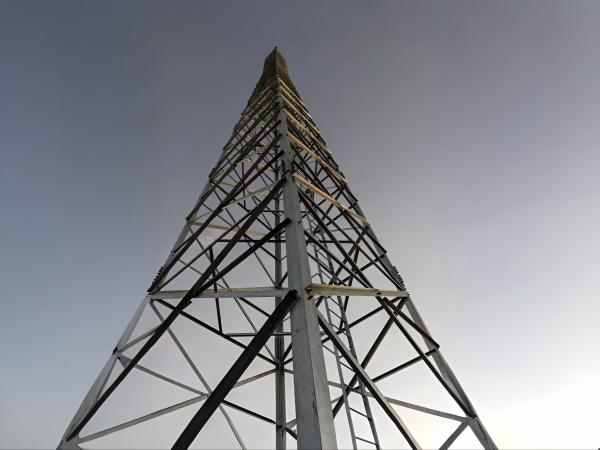
تُعتبر المقاطع الملفوفة هي الأساس الاقتصادي:توفر الزوايا المدرفلة على الساخن القياسية (Q235B، Q345B، Q420) خصائص ميكانيكية يمكن التنبؤ بها، وقواعد تصميم مثبتة، وتوافرًا فعالًا من حيث التكلفة لمعظم عناصر الأبراج
الأعضاء المتراكمون يعالجون فجوات القدرات:عندما لا توفر الزوايا المفردة قدرة تحمل كافية، فإن المقاطع المركبة (الصليبية، على شكل حرف T، ذات الألواح النجمية) توفر القوة المطلوبة دون الحاجة إلى تشكيل مقاطع كبيرة الحجم حسب الطلب
التصميم الهجين يحسن نسبة التكلفة إلى الأداء:إن تطبيق نوع المقطع المناسب في الموقع المناسب - الزوايا المدرفلة للدعامات والعناصر الثانوية، والمقاطع المركبة للأرجل ذات الأحمال الثقيلة والأقطار الرئيسية - يحقق التوازن الأمثل بين التكلفة والكفاءة الهيكلية
يزيد الفولاذ عالي القوة من هذه الميزة:يمكن أن يؤدي استخدام الفولاذ Q420 أو درجات أعلى في العناصر المركبة إلى تقليل الوزن بشكل أكبر، حيث أظهرت الدراسات انخفاضًا في الوزن يصل إلى 20% عند استبدال الفولاذ S355 بالفولاذ S460 في تصميمات مماثلة.
قواعد التصميم تنضج:طورت مشاريع بحثية حديثة مثل مشروع ANGELHY قواعد تصميم جديدة واقتصادية لكل من الزوايا المفردة والعناصر المركبة، مما يوفر للمهندسين إرشادات موثوقة للتصاميم الهجينة.
تختلف اعتبارات التصنيع:تتطلب المقاطع المدرفلة معالجة بسيطة؛ أما العناصر المركبة فتتطلب عمليات لحام وحفر وتجميع إضافية - وهي تكاليف يجب تبريرها بتحسينات الأداء.
تُعدّ الزوايا القياسية متساوية الأرجل المدرفلة على الساخن - بأطوال أرجل تصل إلى 300 مم للأبراج العالية - اللبنات الأساسية التقليدية للأبراج الشبكية. تُنتج هذه المقاطع في مصانع الصلب في ظل ظروف مُحكمة، مما يوفر ما يلي:
الخصائص الميكانيكية المتوقعة:قوة خضوع ثابتة، وليونة، ومتانة
قواعد تصميم مثبتة:طرق حساب راسخة وفقًا للمعيار الأوروبي 3، والمعيار البريطاني GB 50017، والمعيار الأمريكي للمهندسين المدنيين/معهد هندسة الإنشاءات ASCE/SEI 10-15
الكفاءة من حيث التكلفة:إن وفورات الحجم في الإنتاج تجعل الزوايا المدرفلة الخيار الأكثر اقتصادية لمعظم الأعضاء
التوفر:تتوفر المقاطع القياسية بسهولة من موردين متعددين.
تشمل درجات الصلب الشائعة Q235B و Q355B و Q420، مع استخدام أنواع عالية القوة بشكل متزايد في أبراج نقل الطاقة والاتصالات.
تُصنع العناصر المركبة من صفائح فولاذية أو مقاطع زاوية متعددة متصلة ببعضها لتشكيل مقطع مركب ذي قدرة تحمل أكبر من أي مقطع فولاذي منفرد. تشمل التكوينات الشائعة ما يلي:
| إعدادات | وصف | التطبيق النموذجي |
|---|---|---|
| صليبية الشكل | زاويتان متصلتان من طرف إلى طرف لتشكيل مقطع على شكل صليب | الأرجل الرئيسية لأبراج نقل الطاقة ذات الجهد العالي جداً |
| على شكل حرف T | زاويتان متصلتان ظهراً لظهر على شكل حرف T | عناصر الضغط الأساسية في الأبراج العالية |
| مُدعّم بالنجوم | وترين زاويين متصلين بألواح تثبيت | تقوية العناصر القائمة؛ أحمال ضغط عالية جدًا |
| متتالي | زاويتان متصلتان على طول ساقيهما | عناصر الضغط التي تكون فيها مقاومة الانبعاج بالغة الأهمية |
يُعد الأعضاء المتراكمون ذوي قيمة خاصة عندما:
تتجاوز أحجام المقاطع المطلوبة الأبعاد المتاحة للدرفلة على الساخن
تتطلب أحمال الضغط العالية جدًا سعة أكبر
تحتاج الأبراج القائمة إلى تقوية دون استبدال جميع أجزائها.
يلزم تخصيص خصائص المقطع لظروف التحميل المحددة
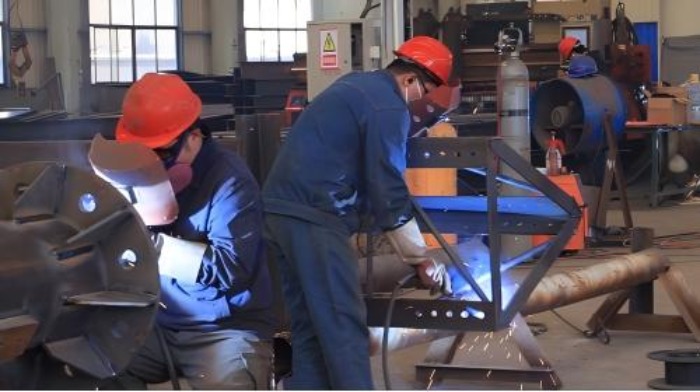
المبدأ الأساسي للتصنيع الهجين هواختيار نوع المقطع الأكثر كفاءة لكل دور هيكليفي برج شبكي نموذجي:
| منطقة البرج | نوع العضو النموذجي | الأساس المنطقي |
|---|---|---|
| الأرجل الرئيسية (الأجزاء السفلية) | مبني (على شكل صليب أو نجمة) | تتطلب أحمال الضغط العالية أقصى سعة |
| الأرجل الرئيسية (الأجزاء العلوية) | زوايا ملفوفة (أحجام أكبر) | تقل الأحمال مع الارتفاع؛ تكفي المقاطع المدرفلة. |
| الأقطار الرئيسية | الزوايا الملفوفة أو المركبة (مناطق الأحمال العالية) | زوايا قياسية لمعظمها؛ مصممة لتحمل الأحمال القصوى |
| التدعيم الثانوي | زوايا ملفوفة (أحجام أصغر) | الأحمال المنخفضة؛ الكفاءة في التكلفة هي الأهم |
| أذرع متقاطعة | الزوايا الملفوفة | الأحمال المتوسطة؛ المقاطع القياسية اقتصادية |
هذا النهج التدريجي - أقسام مركبة أثقل في القاعدة حيث تكون القوى أعلى، والانتقال إلى أقسام ملفوفة أخف باتجاه الأعلى - يعكس التوزيع الطبيعي للأحمال في البرج الكابولي ويحسن استخدام المواد في جميع أنحاء البرج.
إن قرار تحديد عنصر مركب بدلاً من زاوية ملفوفة مدفوع بعدة عوامل:
· Section availability:When the required section size is not economically available as a hot-rolled product
· Buckling considerations:When the effective slenderness of a single angle is too high, and a built-up section provides better stability
· Strengthening existing towers:When adding capacity to an in-service tower without replacing primary members
The economic trade-off between rolled and built-up members is not always straightforward:
· Rolled sectionshave lower fabrication costs but may require more material if the section must be oversized to meet capacity requirements
· Built-up membershave higher fabrication costs (welding, drilling, assembly) but can achieve the required capacity with less material
Research has shown that the factor with the highest contribution to decision-making between built-up and hot-rolled proposals isthe base price of raw material for each optionin the market. When steel prices are high, the material savings of built-up members become more attractive; when fabrication costs dominate, rolled sections may be preferred.
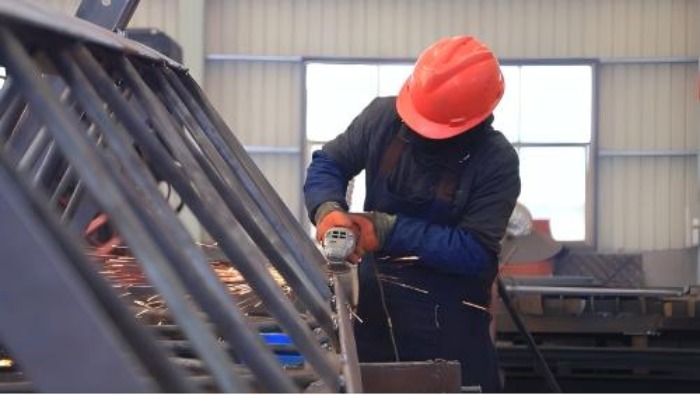
The use of high-strength steel grades—particularly Q420—has transformed the economics of hybrid fabrication. In extra-high-voltage transmission towers, Q420 large-size angle steel can often substitute for double-spliced or multi-spliced common angle steel members, reducing fabrication by multiples and significantly decreasing the number of connection bolts and filler plates.
The ANGELHY research project demonstrated that using S460 high-strength steel (comparable to Q420) in a typical transmission tower reduced total weight from 66 tonnes to 56 tonnes—a saving of over 15%. More broadly, high-strength steel can reduce the weight of standardized towers by up to 20% compared to normal steel grades (e.g., S355/Q345), resulting in lighter structures that are easier and faster to erect.
However, high-strength steels present fabrication challenges:
· Drilling required for Q420:Punching is generally not recommended; holes must be drilled
· Welding restrictions:Welding operations should be avoided where possible for Q420B high-strength steel
· Design rule gaps:Some standards (e.g., EN 50341) do not include high-strength steel grades, requiring reference to other codes
Several standards govern the design of rolled and built-up members in lattice towers:
| Standard | Scope | Relevance |
|---|---|---|
| GB 50017 | Steel structure design | T-shaped and cruciform sections; equivalent slenderness for torsional and flexural-torsional buckling |
| ASCE/SEI 10-15 | Latticed steel transmission structures | Design of members, connections, and overall stability |
| EN 1993-3-1 | Towers, masts, and chimneys | Design rules for towers and masts |
| EN 50341-1 | Overhead electrical lines | Transmission tower design (S235 and S355 only in some national annexes) |
The ANGELHY project (2017–2020), funded by the European Commission, specifically addressed the design of both single angle and built-up members in lattice towers. Key outcomes include:
New economic design rules for single angle and built-up members
Improved rules for built-up sections, includinginnovative types composedof two angles with unequal sections
Testing on lattice towers with high-strength steel (S460)
Testing of hybrid members (steel angles reinforced with CFRP strips)
Design recommendations for Eurocode 3
The project confirmed thatbuilt-up members provide a cost-effective solution for strengthening existing towersand for new designs requiring higher capacity than available rolled sections.
Designing built-up members requires attention to several factors not present in single-angle design:
· Shear effects:Built-up compression members exhibit extra flexibility due to shear action, affecting overall stability
· Connector spacing:The distance between batten plates or filler plates must be sufficient to ensure composite action
· Local buckling:Plate elements in built-up sections must satisfy width-to-thickness (b/t) ratio requirements
· Modeling considerations:In structural analysis programs like SAP2000, built-up members are typically modeled as single member elements with double-section cross-sections
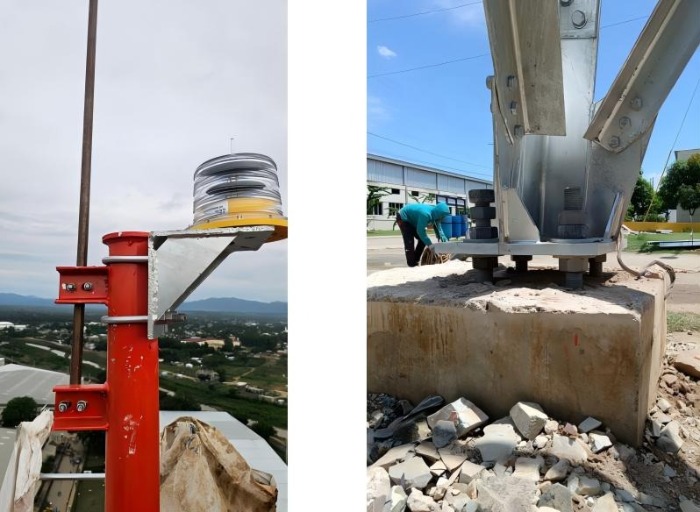
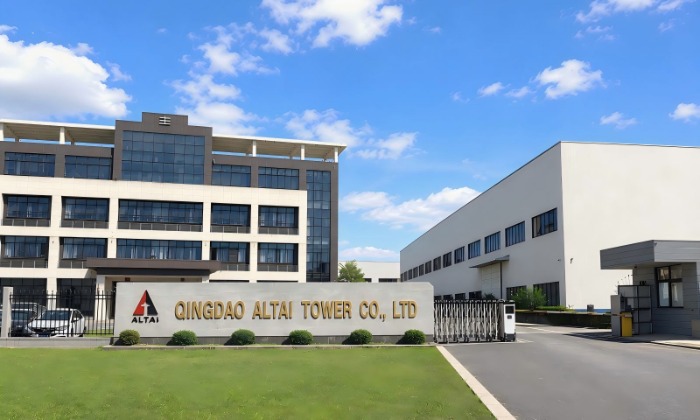
Qingdao Altai Tower Co., Ltd. is a professional manufacturer of telecommunication towers, power towers, and tower accessories, established in 2003. The company specializes in the design, manufacturing, and installation of steel towers, with products exported to more than 100 countries and regions.
| Capability | Specification |
|---|---|
| Rolled section processing | CNC angle production lines for punching and cutting standard angles |
| Built-up member fabrication | 4000-ton hydraulic CNC bending machine for high-strength, high-precision components |
| Welding | AWS D1.1-compliant welding for built-up section assembly |
| Galvanizing | In-house workshop with Italian equipment, strictly following ASTM A123 |
| Quality control | Full traceability; trial assembly verification |
| Lead time | 30 days after payment |
Qingdao Altai Tower applies hybrid fabrication principles through:
· Section optimization:Selecting the most efficient section type (rolled or built-up) for each structural role based on load analysis
· High-strength steel integration:Using Q345B and Q420 grades to achieve weight savings in critical members
· CNC precision:Ensuring accurate connections for both rolled and built-up members
· Trial assembly:Verifying that hybrid designs assemble correctly before shipment
| Parameter | Hot-Rolled Angle | Built-Up Member |
|---|---|---|
| Fabrication complexity | Low—standard mill production | Higher—welding, drilling, assembly required |
| Material cost | Lower per unit weight | Higher per unit weight (additional fabrication) |
| Section size range | Limited to mill capabilities (up to ~300mm leg) | Virtually unlimited—can be designed for any required capacity |
| Lead time | Shorter—readily available | Longer—custom fabrication required |
| Quality consistency | High—controlled mill conditions | Depends on fabrication quality; more potential for defects |
| Design rules | Well-established; covered in all major codes | Maturing; specific rules in ASCE/SEI 10-15 and ANGELHY recommendations |
| Weight efficiency | Good for standard loads | Excellent for high loads—material only where needed |
| Best application | Bracing, secondary members, moderate loads | Primary legs, very high compression loads, strengthening |
Hybrid fabrication—the strategic combination of standard hot-rolled angles and built-up members—represents a sophisticated evolution in lattice tower design. By applying rolled sections where they are most economical and built-up members where capacity demands it, engineers can achieve towers that are:
Structurally efficient:Meeting all load requirements with optimized material usage
Cost-effective:Minimizing both material and fabrication costs
Adaptable:Addressing capacity gaps where standard sections are insufficient
Future-proof:Capable of strengthening existing towers without complete replacement
Research projects like ANGELHY have provided the design rules and validation needed to implement hybrid designs with confidence. High-strength steels such as Q420 and S460 further amplify the benefits, enabling weight reductions of up to 20%.
بالنسبة لأصحاب المشاريع والمهندسين، الخيار واضح: لم يعد الاعتماد المطلق على العناصر المدرفلة أو المركبة وحدها ضروريًا. يوفر التصنيع الهجين المسار الأمثل - باستخدام نوع العنصر المناسب، في الموقع المناسب، وبدرجة الفولاذ المناسبة - لإنتاج أبراج أقوى وأخف وزنًا وأكثر فعالية من حيث التكلفة.
هل أنت مستعد لتحسين تصميم برجك باستخدام التصنيع الهجين؟ تواصل مع فريق الهندسة في شركة تشينغداو ألتاي تاور اليوم للحصول على تحسين مخصص للقطاعات، ودمج الفولاذ عالي القوة، واقتراح مفصل.



 شبكة IPv6 مدعومة