

 English
 français
 русский
 español
يبحث
ما الذي تبحث عنه?
يبحث

تُصبح الاتصالات الموثوقة عائقًا بالغ الأهمية في البيئات النائية والقاسية. غالبًا ما تكون البنية التحتية الثابتة غير متوفرة أو متضررة أو يصعب نشرها. تُعالج حلول الاتصالات المؤقتة هذه الفجوة من خلال توفير إمكانية اتصالات سريعة ومستقلة وقابلة للنقل.

تُستخدم الأنظمة المؤقتة عادةً في البيئات التي تتوفر فيها واحدة أو أكثر من الشروط التالية:
· لا توجد بنية تحتية للاتصالات قائمة
· التضاريس الوعرة مثل الصحاري والجبال والمناطق البحرية
· درجات حرارة قصوى، رطوبة عالية، رمال، أو غبار
· متطلبات نشر عاجلة
تشمل حالات الاستخدام النموذجية الاستجابة للكوارث، ومواقع البناء النائية، وحقول النفط والغاز، والمناطق الحدودية، والفعاليات المؤقتة.
يجب أن يلبي حل الاتصالات المؤقت القابل للتطبيق العديد من المتطلبات التقنية.
· نشر سريع بأقل عدد ممكن من الأفراد
· الاستقرار الهيكلي في ظل ظروف الرياح القوية
· أنظمة الطاقة والتحكم المتكاملة
· الحماية من الغبار والمطر والتآكل
· إمكانية النقل بواسطة شاحنة أو مقطورة
عادةً ما تؤدي الأنظمة التي تفشل في أي من هذه المجالات إلى أوقات إعداد طويلة أو تشغيل غير موثوق به.
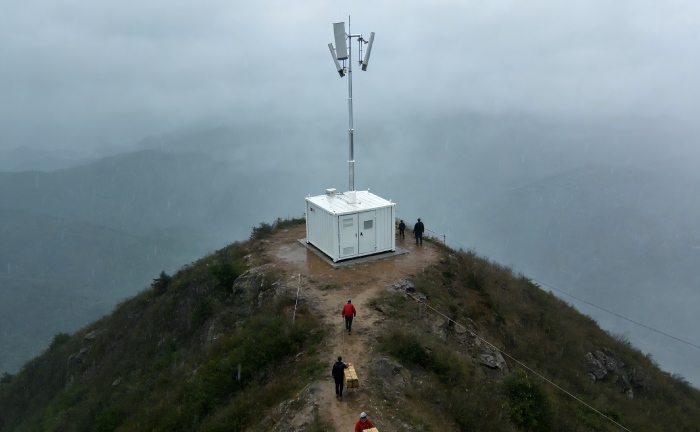
يجمع برج الاتصالات المتنقلة المتكامل بين أنظمة فرعية متعددة في وحدة واحدة قابلة للنقل.
· صاري رفع تلسكوبي أو هيدروليكي
· مأوى مغلق للمعدات
· نظام توزيع الطاقة والتحكم بها
· وحدات المراقبة والحماية
يقلل هذا التصميم من الاعتماد على الموارد الخارجية ويقصر وقت النشر.
تُستخدم صواري الرفع الهيدروليكية على نطاق واسع في البيئات القاسية.
· لا حاجة لرافعة خارجية
· سرعة الرفع والتحكم في الوضع
· تقليل المخاطر أثناء التركيب
· تشغيل مستقر تحت تأثير الرياح
تسمح الهياكل ذاتية التشييد لفريق صغير بإكمال عملية النشر في غضون ساعات بدلاً من أيام.
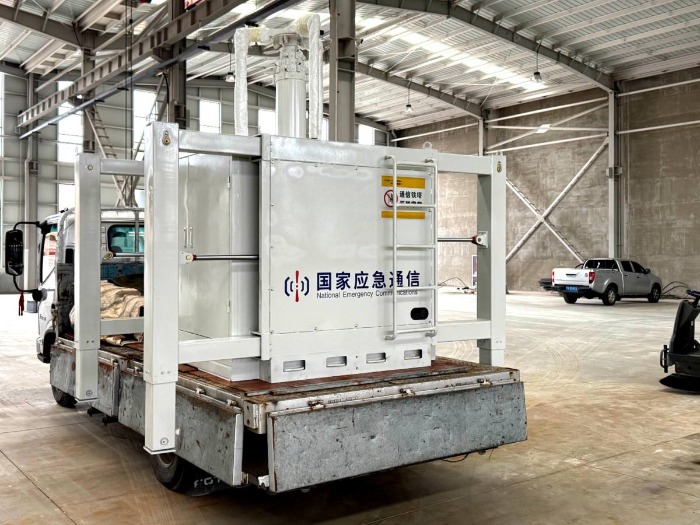
غالباً ما تفتقر المناطق النائية إلى إمدادات طاقة مستقرة.
تتضمن الأنظمة المتكاملة عادةً ما يلي:
· مدخل الطاقة الرئيسي وواجهة الطاقة الاحتياطية
· وحدة توزيع الطاقة الذكية
· المراقبة عن بعد للجهد والتيار وحالة النظام
· منطق الإغلاق الطارئ والحماية
وهذا يضمن التشغيل المستمر ويقلل من الصيانة في الموقع.
تؤدي البيئات القاسية إلى تسريع تعطل المعدات إذا كانت الحماية غير كافية.
تشمل الاعتبارات التصميمية الرئيسية ما يلي:
· مأوى مقاوم للعوامل الجوية
· مانع للتسرب بالغبار والرمل
· الطلاءات المقاومة للتآكل
· التهوية أو التحكم في درجة الحرارة
تساهم هذه الميزات في إطالة عمر الخدمة وتقليل وقت التوقف.
توفر حلول الاتصالات المؤقتة مزايا واضحة في المناطق النائية.
· نشر أسرع
· استثمار أولي أقل
· المرونة في الانتقال حسب الحاجة
· مناسب للاستخدام المؤقت أو في حالات الطوارئ
لا تُعد الأبراج الثابتة عملية عندما تكون الجداول الزمنية قصيرة أو ظروف الموقع غير مؤكدة.
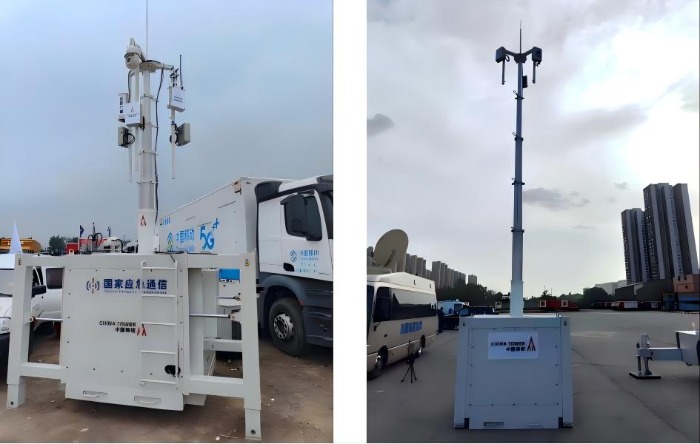
يمكن لأنظمة الهاتف المحمول المتكاملة أن تدعم احتياجات الاتصال المتعددة.
· الاتصالات الطارئة للسلامة العامة
· محطات قاعدة خلوية مؤقتة
· نقل البيانات والفيديو
· تنسيق القيادة والسيطرة
يمكن تهيئة النظام بناءً على نطاقات تردد محددة ومتطلبات الشبكة.
تُعدّ حلول الاتصالات المؤقتة ضرورية للحفاظ على الاتصال في البيئات النائية والقاسية. توفر أبراج الاتصالات المتنقلة المزودة بملاجئ متكاملة توازناً عملياً بين السرعة والموثوقية وقابلية التكيف. بالنسبة للاستجابة للطوارئ والعمليات عن بُعد والمشاريع المؤقتة، تُقدّم هذه الأنظمة نهجاً مُثبتاً وقابلاً للتطوير لنشر الاتصالات بسرعة.
انقر هنا لمعرفة المزيد عن المنتج.
تتوفر الآن حلول إضافية للاتصالات المتنقلة (الخلية المتنقلة على عجلات):
https://www.alttower.com/cellular-on-wheels-cow_c2



 شبكة IPv6 مدعومة