

 English
 français
 русский
 español
يبحث
ما الذي تبحث عنه?
يبحث
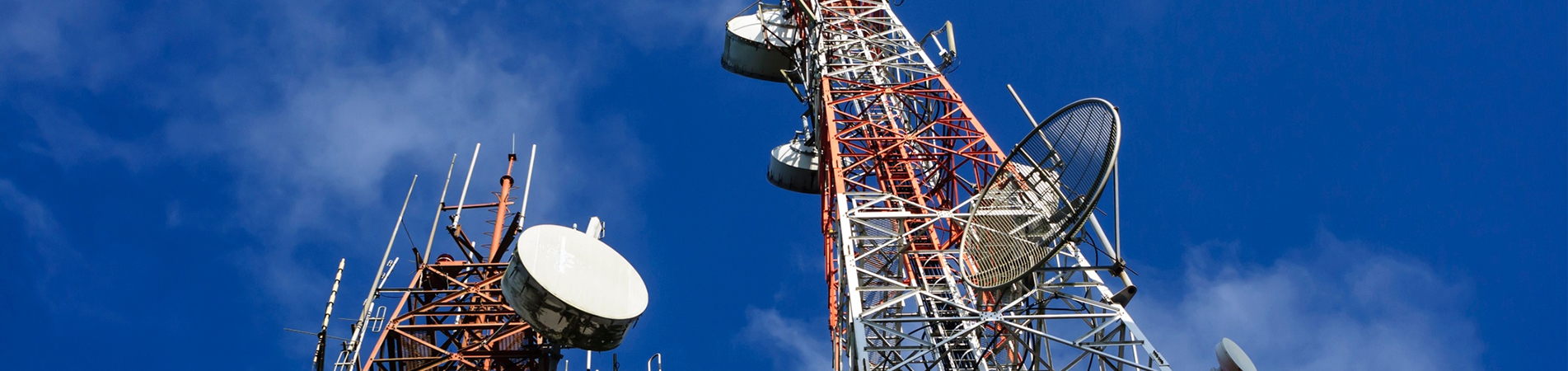
يقف قطاع الاتصالات على أعتاب تحول جذري. فمع نضوج تقنية الجيل الخامس (5G) وتبلور رؤية الجيل السادس (6G)، أصبحت حافة الشبكة ذكية. لا يقتصر المستقبل على مجرد الاتصال، بل يتعداه إلى الحوسبة على الحافة، حيث يتم استنتاج الذكاء الاصطناعي في غضون أجزاء من الثانية من المستخدم، مما يُمكّن الأنظمة المستقلة، والواقع الافتراضي، والتحكم الصناعي في الوقت الفعلي. تتطلب هذه الرؤية نقل قوة المعالجة من مراكز بيانات الحوسبة السحابية البعيدة إلى قاعدة البرج. لكن هذا يطرح سؤالًا هيكليًا ملحًا: هل يمكن لشبكات اليوم النحيفة أن... الاحتكارات هل سيتحملون عبء الذكاء الاصطناعي في المستقبل؟
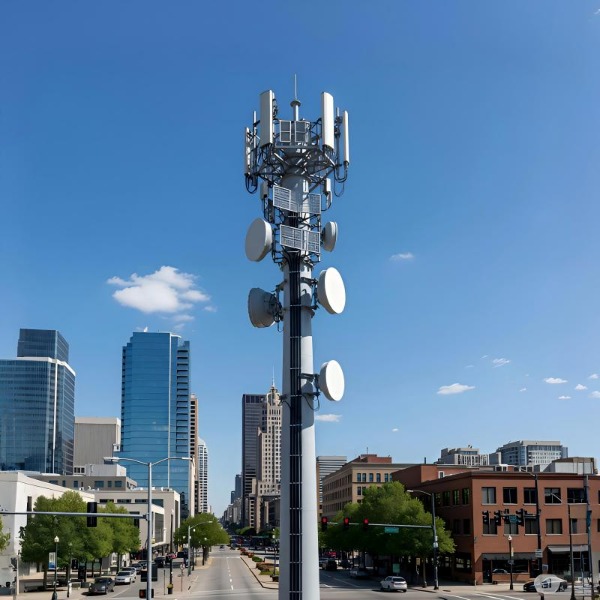
يمثل دمج بنية الحوسبة الطرفية في مواقع الأبراج نقلة نوعية في ظروف التحميل. تُقاس المعدات التقليدية المثبتة على الأبراج - كالهوائيات ووحدات الراديو عن بُعد وأطباق الميكروويف - بالكيلوغرامات. يزن هوائي MIMO الضخم لشبكات الجيل الخامس النموذجي ما بين 40 و47 كيلوغرامًا. وقد يصل وزن مجموعة كاملة من هوائيات القطاعات إلى ما بين 200 و300 كيلوغرام لكل منصة.
تختلف الحوسبة الطرفية. فهي تتطلب بنية تحتية مادية: خوادم، ووحدات تخزين، وأنظمة توزيع طاقة، وأنظمة تبريد. هذه ليست ملحقات خفيفة الوزن، بل هي منشآت ضخمة تتطلب، في سياق مراكز البيانات التقليدية، قدرة تحمل أرضية تبلغ 16 كيلو نيوتن/م² أو أكثر. هذا الرقم - الذي يعادل تقريبًا 1600 كيلوغرام لكل متر مربع - ليس عشوائيًا، بل يعكس كثافة وزن رفوف الخوادم المجهزة بالكامل، وبطاريات النسخ الاحتياطي، والهياكل الداعمة لها.
يمثل هذا تحديًا غير مسبوق بالنسبة لبرج أحادي القطب. فالسؤال ليس ما إذا كان البرج قادرًا على تحمل بضعة كيلوغرامات إضافية، بل ما إذا كانت أساساته وعموده ونقاط اتصاله قادرة على تحمل الوزن المركز لمركز بيانات مصغر في قاعدته، أو في التصاميم الأكثر تطورًا، مثبتًا على عموده.
لفهم هذه الفجوة، يجب علينا أولاً أن نفهم ما صُممت الأعمدة الأحادية الحالية لتحمله. تعتمد قدرة التحميل للعمود الأحادي بشكل حاسم على ارتفاعه وتصميمه الهيكلي.
| فئة ارتفاع البرج | سعة التحميل النموذجية للمعدات |
|---|---|
| أقل من 100 قدم (30 متراً) | 500-1000 رطل (227-454 كجم) |
| 100-150 قدم (30-45 متر) | 1000-2000 رطل (454-907 كجم) |
| أكثر من 150 قدمًا (45 مترًا فأكثر) | 2000-5000+ رطل (907-2268 كجم) |
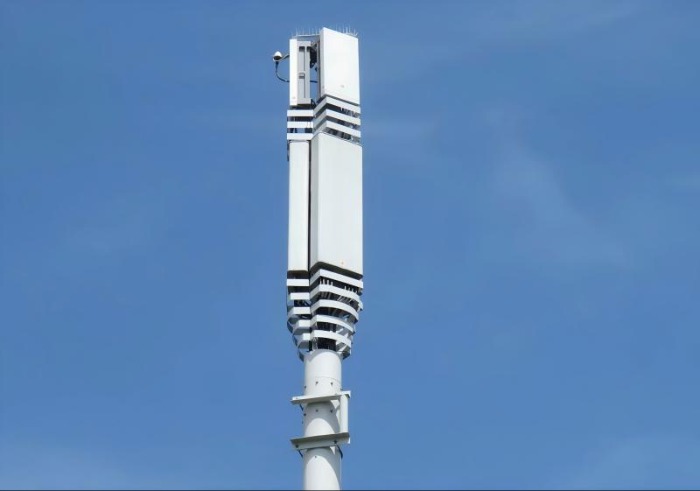
يمكن تصنيف الأبراج شديدة التحمل، المصممة خصيصًا للأحمال القصوى، لـ أكثر من 10000 رطل (4500 كجم) ومع ذلك، تفترض هذه القدرات أن الأحمال موزعة بشكل مناسب - عادةً ما تكون كتل الهوائي مثبتة على منصات على طول العمود العلوي، مع نقل وزنها عبر الهيكل إلى الأساس.
تكمن الملاحظة الأساسية في أن حتى أكبر الأبراج أحادية القطب لا تتجاوز قدرتها على تحمل الأحمال الإجمالية آلاف الكيلوغرامات، وليس عشرات الآلاف. ويمكن لمركز بيانات طرفي مصغر مجهز بالكامل، بما في ذلك خوادمه وأنظمة الطاقة وإدارة الحرارة، أن يستهلك بسهولة ما بين 30% و50% أو أكثر من إجمالي قدرة برج متوسط الحجم قبل تركيب أي هوائيات.
يصبح التباين بين أحمال الهوائيات التقليدية ومتطلبات الحوسبة الطرفية واضحًا عند التعبير عنه بمصطلحات هندسية.
أحمال الهوائيات التقليدية:
· موزعة على طول العمود العلوي (مفيدة لتوزيع العزم)
· كثافة كتلة منخفضة لكل وحدة مساحة
· تتفوق أحمال الرياح الديناميكية على الوزن الساكن
· يمكن التحكم في الأحمال النقطية من خلال التعزيز الموضعي
أحمال الحوسبة الطرفية:
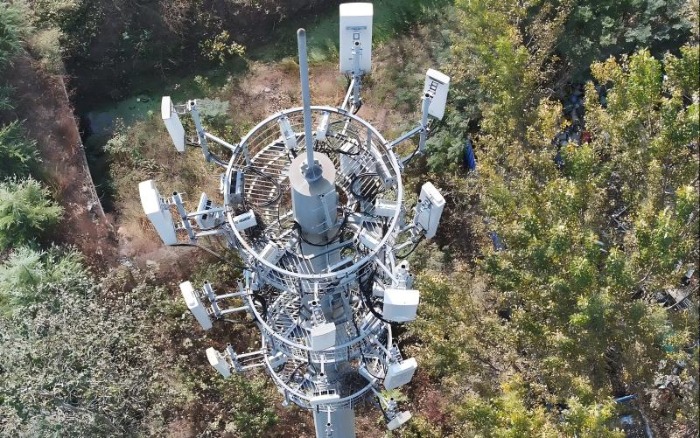
قد تفرض وحدة نموذجية لمركز بيانات الحافة، حتى في أحجامها الصغيرة، حمولة منطقة القاعدة من 5 إلى 10 كيلو نيوتن/م² أقل من 16 كيلو نيوتن/م² في مركز البيانات الرئيسي، لكنها لا تزال أعلى بعشرة أضعاف من الأحمال الموزعة من منصات الهوائيات. بالنسبة لبرج بقطر قاعدة يتراوح بين متر ومترين، تكون المساحة المتاحة محدودة، مما يزيد من تركيز هذه الأحمال.
السؤال الأساسي
إن العنصر الإنشائي الأكثر أهمية لتحمل الوزن الإضافي ليس عمود البرج، بل الأساس. تُصمم أساسات الأبراج أحادية القطب عادةً على شكل أعمدة خرسانية صلبة أو أعمدة محفورة، بأبعاد مناسبة لمقاومة عزم الانقلاب الناتج عن الرياح ووزن البرج الذاتي.
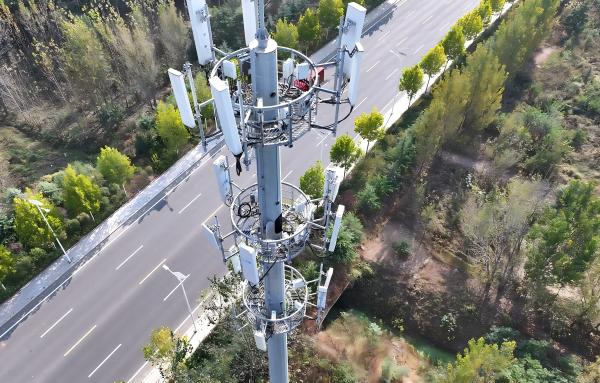
إن إضافة حمل حوسبة طرفية متعدد الأطنان في القاعدة يغير بشكل جذري متطلبات الأساس:
تُعدّ الأساسات الجزء الأكثر تكلفةً والأقل سهولةً في التعديل من البرج. قد يواجه البرج أحادي القطب المصمم دون مراعاة زيادة كبيرة في وزن القاعدة قيدًا صعبًا: إذ لا يمكن للأساس تحمل المزيد من الأحمال بأمان، بغض النظر عما يمكن أن يتحمله العمود.
بالنسبة للأبراج ذات الهامش الهيكلي - أو تلك التي يمكن أن يتحمل أساسها حملاً إضافياً - توجد العديد من استراتيجيات التعزيز لزيادة قدرة العمود.
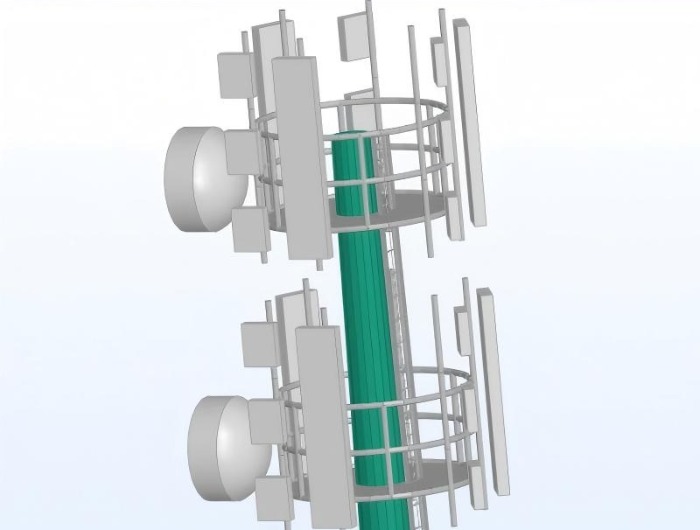
تتضمن إحدى الطرق الحاصلة على براءة اختراع تثبيت قضبان مسطحة رأسية على السطح الخارجي للبرج باستخدام براغي أحادية الجانب. تُركّب هذه القضبان، المصنوعة عادةً من الفولاذ، بشكل متواصل على طول البرج، مع وصلات بين الأجزاء باستخدام صفائح ربط. يعمل هذا التسليح على توزيع عزوم الانحناء، مما يزيد فعليًا من معامل مقطع البرج. يمكن تطبيق هذه الطريقة على مناطق محددة حيث سيتم تركيب معدات إضافية.
أظهرت الأبحاث التي أجريت في جامعة ولاية كارولينا الشمالية أن بوليمرات ألياف الكربون عالية المعامل يمكن لهذه التقنية زيادة قدرة الانحناء للأعمدة الأحادية بنسبة تتراوح بين 20 و50%. وتتضمن ربط ألواح أو شرائح من ألياف الكربون المقواة بالبوليمر (CFRP) بالسطح الخارجي للبرج، مما يضيف قوة وصلابة مع زيادة طفيفة في الوزن. تعمل ألياف الكربون المقواة بالبوليمر بشكل متكامل مع الفولاذ، حيث تقاوم إجهادات الشد وتؤخر الخضوع. بالنسبة للأبراج التي يمثل فيها الوزن الزائد مصدر القلق الرئيسي، توفر ألياف الكربون المقواة بالبوليمر حلاً مثالياً.
بالنسبة للهوائيات أحادية القطب متعددة الأضلاع، يمكن إضافة أغشية داخلية أو دعامات لزيادة الاستقرار الموضعي والصلابة الكلية. يُعدّ هذا الأمر أكثر جدوى أثناء التصنيع، ولكن يمكن تعديله لاحقًا في بعض التصاميم.
تركز معايير التصميم الحالية لأبراج أحادية القطب - سواءً كانت معايير يورو كود أو معايير TIA أو معايير GB - على أحمال الاتصالات التقليدية. يوفر معيار يورو كود EN 1993-3-1 إرشادات محددة للأبراج والصواري، لكن تركيبات الأحمال فيه تفترض أن أحمال الهوائي والرياح هي العوامل الرئيسية. توفر عوامل الأمان المضمنة في هذه المعايير (عادةً ما بين 1.5 و2.5 للأحمال القصوى) هامش أمان، لكن هذا الهامش لم يُصمم أصلًا لاستيعاب فئة جديدة تمامًا من المعدات.
قامت جمعية صناعات الاتصالات (TIA) مؤخرًا بتحديث معيار مراكز البيانات الخاص بها (TIA-942) ليتناول الحوسبة الطرفية، مُقرّةً بأن "معالجة البيانات تتم بشكل متزايد على الحافة" وأن "تطبيقات الذكاء الاصطناعي كثيفة البيانات والحوسبة تتطلب... كثافة أعلى بكثير في الكابلات والطاقة في الخوادم". مع ذلك، ينطبق هذا المعيار على منشأة مركز البيانات نفسها، وليس على البرج الذي يجب أن يدعمها. فئة جديدة من معايير التصميم هناك حاجة إلى حل يربط بين هندسة أبراج الاتصالات ومتطلبات مرافق مراكز البيانات.
بالنسبة لعمليات النشر الجديدة التي يُتوقع فيها دمج الحوسبة الطرفية، يجب أن يتطور التصميم:
زيادة قوة القاعدة: حدد استخدام فولاذ أكثر سمكًا في الأجزاء السفلية وألواح قاعدة أكبر لاستيعاب الأحمال المركزة.
منصات المعدات المتكاملة: صمم البرج بدعامات هيكلية مخصصة لوحدات الحوسبة الطرفية، مدمجة في تصميم الأساس الأولي.
عوامل أمان أعلى: ينبغي النظر في زيادة عامل أمان الحمل النهائي إلى ما يتجاوز المعيار 1.5-2.5 لتوفير هامش أمان للمعدات المستقبلية غير المعروفة.
تصميم الأساسات المعيارية: تحديد حجم الأساسات مع مراعاة القدرة الاحتياطية للحمل الميت الإضافي، تحسباً لتطور وظيفة البرج على مدى عمره الذي يتراوح بين 30 و 50 عاماً.
يمثل التقارب بين الذكاء الاصطناعي الطرفي وبنية الاتصالات تحديًا جوهريًا لصناعة أبراج الاتصالات. فالأبراج أحادية القطب الحالية، المصممة لتحمل أحمالًا متواضعة نسبيًا من الهوائيات ووحدات الراديو عن بُعد، لم تُصمم لاستضافة مراكز بيانات مصغرة. وتُقاس قدرات تحملها - التي تتراوح بين 500 و5000 رطل - بنفس حجم المعدات التي قد يُطلب منها دعمها قريبًا.
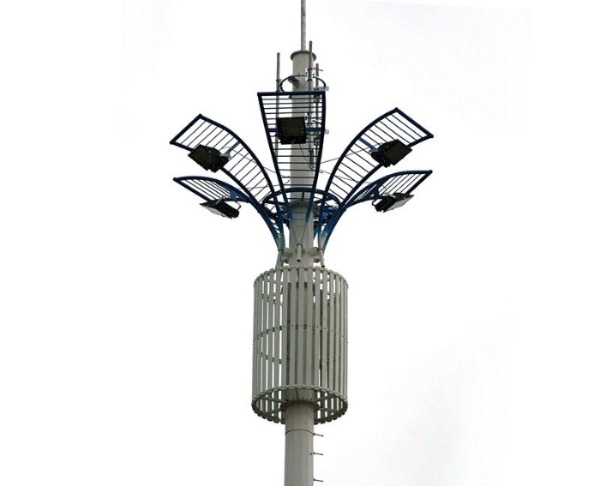
لا يقتصر المسار المستقبلي على خيارين فقط. يمكن تعزيز العديد من الأبراج القائمة باستخدام عناصر فولاذية خارجية أو مواد مركبة متطورة مثل ألياف الكربون المقواة بالبوليمر، مما يحقق زيادة في القدرة الاستيعابية تتراوح بين 20 و50%. ومع ذلك، تظل الأساسات هي العائق الرئيسي، فبمجرد صبها، يصعب تحديثها وتكون مكلفة.
بالنسبة لعمليات النشر الجديدة، فالرسالة واضحة: تصميم لعصر الذكاء الاصطناعي منذ اليوم الأول حدد أنواعًا أفضل من الفولاذ، وزِد سُمك قاعدة المبنى، والأهم من ذلك، صُبّ أساسات ذات قدرة احتياطية تستوعب الأحمال الحاسوبية غير المتوقعة في المستقبل. سيكون البرج الذي يضم الهوائيات وأنظمة الذكاء الاصطناعي هو الأصل الأكثر قيمة في الشبكة. والسؤال المطروح هو: هل الأبراج أحادية القطب الحالية جاهزة لتحمّل هذا العبء؟
تعرف على المزيد في www.alttower.com



 شبكة IPv6 مدعومة