

 English
 français
 русский
 español
يبحث
ما الذي تبحث عنه?
يبحث

برج رادار متكامل هو هيكل فولاذي يجمع بين سارية دعم هوائي الرادار وغرفة معدات مدمجة ومتحكم في بيئتها ضمن نفس المساحة—مما يلغي الحاجة إلى مأوى مستقل منفصل. تتوفر هذه الأبراج بارتفاعات من 10 إلى 50 مترًا، وتدمج جميع أنظمة دعم الرادار الأساسية—توزيع الطاقة، والتبريد، وUPS، وكابلات RF—في وحدة واحدة مدمجة. والنتيجة هي تقليل مساحة الموقع، وتركيب أسرع (غالبًا خلال ليلة واحدة)، وخفض التكلفة الإجمالية للمشروع مقارنة بالتصميمات التقليدية التي تحتوي على برج ومبانٍ منفصلة للمعدات. بالنسبة لتطبيقات مراقبة الحركة الجوية، والمراقبة الساحلية، والرادارات العسكرية، يمثل البرج المتكامل الحل الأكثر كفاءة من حيث المساحة والأسرع قابلية للنشر والمتاح حاليًا.
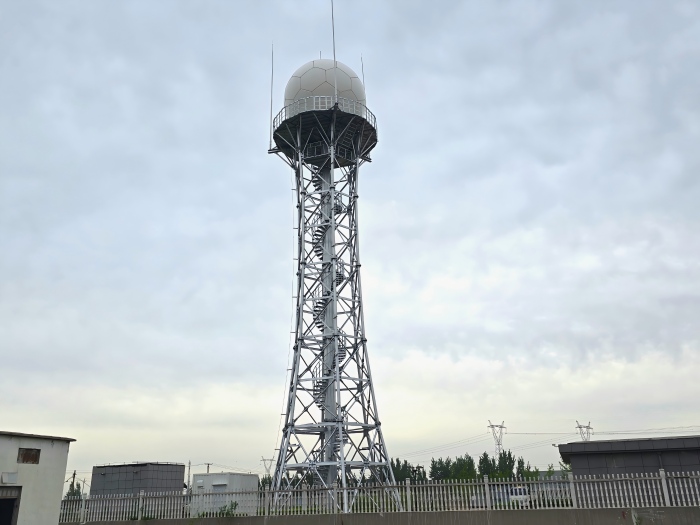
· تصميم بمساحة واحدة: غرفة المعدات مدمجة في قاعدة البرج أو مدمجة ضمن الهيكل، مما يلغي الحاجة إلى مبنى مأوى منفصل
· خفض تكاليف شراء الأراضي: المساحة الإجمالية الأصغر للموقع تعني الحاجة إلى شراء أو استئجار مساحة أقل من الأراضي—وهي ميزة مهمة في المواقع الحضرية أو الساحلية حيث تكون العقارات محدودة ومرتفعة القيمة
· نشر أسرع: تُصنّع الأبراج المتكاملة مسبقًا وتُجهّز بالأسلاك في المصنع، ويمكن تركيبها وتشغيلها خلال أيام بدلًا من أسابيع
· تحكم بيئي مدمج:تتميز غرف المعدات بالتحكم في درجة الحرارة والرطوبة، مما يضمن تشغيل إلكترونيات الرادار ضمن المعايير المحددة
· صلابة عالية وانحراف منخفض:توفر تصميمات الأبراج المتكاملة صلابة هيكلية فائقة، مما يحسن أداء نظام الرادار عبر تقليل حركة الهوائي
· نطاق ارتفاع قابل للتخصيص: متاحة من 10 إلى 50 مترًا، مع توفر تصميمات قياسية وتصميمات خاصة بالموقع
من الذي يبحث عن هذه المعلومات؟
| نوع المستخدم | النية الأساسية | الاهتمامات الرئيسية |
|---|---|---|
| مهندسو المطارات / مديرو مشاريع مراقبة الحركة الجوية | تقييم خيارات أبراج الرادار لأنظمة مراقبة المطارات الجديدة أو المطورة | سرعة التركيب، وقيود الموقع، وتكامل النظام |
| مسؤولو مشتريات الدفاع | توفير البنية التحتية للرادار للمنشآت العسكرية | المتانة، والأمان، والامتثال للمعايير العسكرية |
| مشغلو مراقبة الموانئ والسواحل | نشر الرادار للوعي بالمجال البحري | مقاومة التآكل، والمساحة المدمجة في بيئات الموانئ محدودة المساحة |
| سلطات الطيران المدني | تخطيط تغطية الرادار للمطارات الإقليمية | قيود الميزانية، والامتثال التنظيمي، والصيانة طويلة الأجل |
| مُدمجو أنظمة الرادار | تحديد هياكل الدعم لمعدات مصنعي الرادار الأصليين OEM | التوافق مع أنظمة الرادار، والتوصيلات المسبقة، والتكامل في المصنع |
ملخص نية البحث: يبحث المستخدمون بشكل أساسي عن حلول دعم رادارية موفرة للمساحة وسريعة النشرتقلل من تعقيد وتكلفة التصاميم التقليدية «برج + مبنى معدات منفصل». ويرغبون في فهم المقايضات بين النهج المتكامل والتقليدي، ويحتاجون إلى مواصفات تقنية لدعم قرارات الشراء.
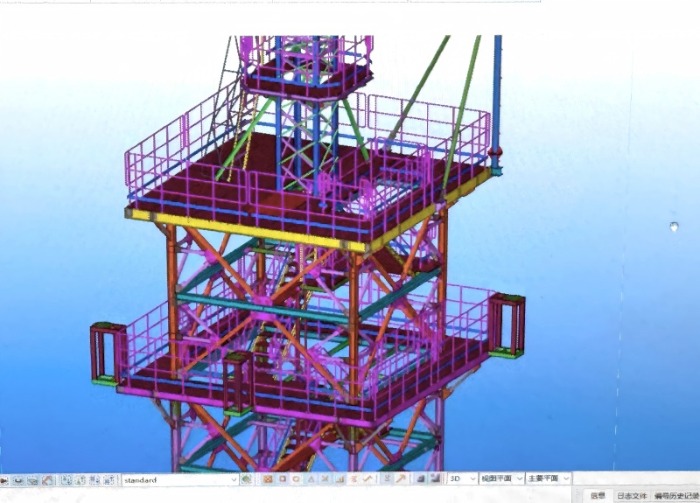
1. ما هو برج الرادار المتكامل بالضبط؟ كيف يختلف عن برج رادار تقليدي مزود بمأوى معدات منفصل؟
2. ما مقدار التوفير في المساحة؟ ما مدى صغر مساحة الموقع مقارنة بالتصميم التقليدي؟
3. ما مدى سرعة التركيب؟ هل يمكن بالفعل تركيب برج متكامل خلال ليلة واحدة؟
4. هل غرفة المعدات المتكاملة كبيرة بما يكفي؟ ما المعدات التي يمكنها استيعابها؟ هل توجد مساحة للترقيات المستقبلية؟
5. كيف يؤثر التصميم المتكامل على أداء الرادار؟ هل يوفر البرج الصلابة الكافية والانحراف المنخفض للتشغيل الدقيق للرادار؟
6. ماذا عن التحكم البيئي؟ هل يمكن لغرفة المعدات المتكاملة الحفاظ على درجة الحرارة والرطوبة المناسبتين للإلكترونيات الرادارية الحساسة؟
7. ما خيارات الارتفاع المتاحة؟ هل يمكن تخصيص البرج وفقًا لمتطلبات الموقع المحددة؟
8. كيف تتم مقارنة التكلفة؟ هل البرج المتكامل أكثر تكلفة أم أقل تكلفة من برج تقليدي + مأوى منفصل؟
9. ماذا عن الوصول لأغراض الصيانة؟ هل يمكن الوصول إلى غرفة المعدات لإجراء الصيانة الدورية والترقيات؟
10. ما المعايير التي تستوفيها هذه الأبراج؟ هل تتوافق مع ICAO وEurocontrol وغيرها من المعايير ذات الصلة؟
التحكم البيئي المدمج (إدارة درجة الحرارة والرطوبة)
صلابة عالية وانحراف منخفض لدقة الرادار
التصنيع المسبق والتكامل في المصنع
ارتفاع وتكوين قابلان للتخصيص
برج الرادار المتكامل هو هيكل موحد واحد يجمع بين سارية دعم هوائي الرادار وغرفة معدات مُتحكم في بيئتها ضمن نفس المساحة. وعلى عكس التصاميم التقليدية التي يكون فيها برج الرادار وملجأ المعدات هيكلين منفصلين يتطلبان أساسات مستقلة ومسارات وصول وخدمات منفصلة، يعمل البرج المتكامل على تجميع كل شيء في حزمة واحدة مدمجة.
تستضيف غرفة المعدات—الموجودة عادةً عند قاعدة البرج أو مدمجة في القسم السفلي منه—جميع أنظمة دعم الرادار الأساسية:
أجهزة إرسال واستقبال الرادار ومعالجات الإشارات
وحدات توزيع الطاقة (MDU، SDU)
مصادر الطاقة غير المنقطعة (UPS)
أنظمة التبريد والتحكم البيئي
كابلات الترددات الراديوية RF ولوحات التوصيل البيني
أنظمة الحماية من الحرائق وأمن المتسللين
من خلال تركيب هذه الأنظمة مسبقًا وتمديد أسلاكها مسبقًا في المصنع، تصل الأبراج المتكاملة إلى الموقع باعتبارهاحلولًا جاهزة للتشغيلومهيأة للتركيب والتشغيل السريع.
| المعيار | النهج التقليدي | برج الرادار المتكامل |
|---|---|---|
| مساحة الموقع | كبيرة—برج + مبنى معدات منفصل + مسارات وصول | مدمجة—هيكل واحد مع غرفة معدات متكاملة |
| تكلفة استحواذ الأراضي | أعلى—يتطلب مساحة أرض أكبر | أقل—المساحة الأصغر تقلل تكاليف الأراضي |
| عدد الأساسات | اثنان (البرج + المبنى) | واحد (أساس واحد متكامل) |
| مدة التركيب | أسابيع إلى أشهر—إنشاء متسلسل | أيام—مصنع مسبق التجهيز ومُسبق التوصيل بالأسلاك |
| الاضطراب في الموقع | فترة إنشاء ممتدة | حد أدنى—التركيب السريع يقلل الاضطراب في الموقع |
| تعقيد التوصيلات | معقد—مسارات كابلات طويلة بين البرج والملجأ | مبسط—توصيلات بينية قصيرة ومسبقة التوصيل |
| التحكم البيئي | نظام HVAC منفصل لمبنى المعدات | تحكم مدمج في درجة الحرارة والرطوبة |
| الصلابة الهيكلية | تختلف — البرج والمبنى مستقلان | عالية — يوفر التصميم المتكامل صلابة فائقة |
| أداء الرادار | محدود بانحراف البرج | محسّن — خصائص انخفاض الانحراف |
| إجمالي تكلفة المشروع | أعلى — هياكل متعددة وجدول زمني أطول | أقل — تصميم موحّد ونشر أسرع |
-التحكم البيئي المدمج
إلكترونيات الرادار حساسة لتقلبات درجة الحرارة والرطوبة. تحتوي الأبراج المتكاملة على غرف معدات مدمجة يتم التحكم فيها بيئيًا وحراريًا ورطوبيًا، وتحافظ على ظروف التشغيل المثلى لجميع أنظمة الرادار. وهذا يلغي الحاجة إلى مأوى معدات منفصل ومستقل ويضمن تشغيلًا موثوقًا للرادار في مختلف المناخات.
-صلابة عالية وانحراف منخفض
تعتمد دقة الرادار على استقرار منصة الهوائي. توفر تصاميم الأبراج المتكاملة خصائص صلابة عالية وانحراف منخفض، مما يحسن أداء نظام الرادار بشكل مباشر. يقلل الهيكل الأحادي من حركة الهوائي الناتجة عن أحمال الرياح، مما يؤدي إلى تتبع أكثر دقة للأهداف وجودة أفضل للبيانات.
-الدمج المسبق في المصنع
يتم تركيب جميع أنظمة الدعم الرئيسية — توزيع الطاقة، والتبريد، ووحدة إمداد الطاقة غير المنقطعة، والكابلات — مسبقًا وتوصيلها مسبقًا في المصنع. هذا النهج:
يقلل وقت التركيب في الموقع
يقلل من مخاطر أخطاء توصيل الأسلاك في الموقع
يضمن مراقبة جودة متسقة
يتيح التشغيل السريع عند التسليم
-ارتفاع وتكوين قابلان للتخصيص
تتوفر أبراج الرادار المتكاملة بارتفاعات تتراوح من 10 إلى 50 مترًا، مع توفر تصاميم قياسية وتصاميم مخصصة للعملاء. تتيح هذه المرونة تكييف البرج وفقًا لمتطلبات الموقع المحددة، ومواصفات نظام الرادار، والظروف البيئية.
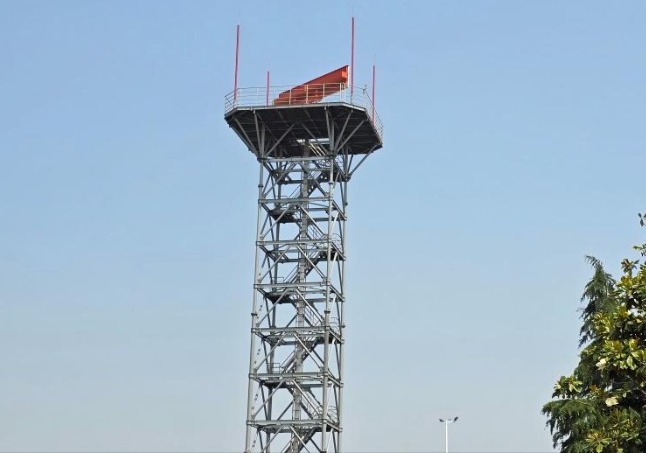
الميزة الأكثر أهمية لبرج الرادار المتكامل هي تقليل مساحة الموقع. ومن خلال دمج البرج وغرفة المعدات في هيكل واحد، يلغي التصميم المتكامل الحاجة إلى:
قطع أراضٍ منفصلة للبرج والمبنى
مسارات وصول مستقلة بين الهياكل
توصيلات مرافق مكررة (الطاقة، والبيانات، والتأريض)
حدود أمنية إضافية
بالنسبة للمواقع في المناطق الحضرية، أو المناطق الساحلية، أو المطارات ذات المساحات المحدودة، يمكن أن يكون هذا التوفير في المساحة هو العامل الحاسم بين مشروع قابل للتنفيذ ومشروع مستحيل. تنخفض تكاليف اقتناء الأراضي، كما أن المساحة الأصغر غالبًا ما تبسط عملية الحصول على التصاريح والمراجعة البيئية.
يوفر الجدول الزمني الأسرع للتركيب أيضًا وفورات كبيرة في التكلفة. قد تستغرق مشاريع البرج التقليدية مع المأوى أشهرًا من إعداد الموقع حتى تشغيل النظام. أما الأبراج المتكاملة، بفضل الدمج المسبق في المصنع وقدرتها على التركيب السريع، فيمكنها تقليل هذا الجدول الزمني إلى أيام أو حتى بين عشية وضحاها. وهذا يعني:
تكاليف أقل لعمالة الإنشاء
تكاليف أقل لاستئجار المعدات
جاهزية تشغيل النظام في وقت أبكر
عائد أسرع على الاستثمار
| التطبيق | المتطلبات الرئيسية | لماذا تتفوق الأبراج المتكاملة |
|---|---|---|
| رادار مراقبة المطارات (ASR) | الامتثال لمعايير ICAO، تشغيل موثوق على مدار الساعة طوال أيام الأسبوع، أقل قدر من تعطيل المطار | التركيب السريع يقلل من تعطيل المدرج/المطار؛ التكامل المسبق في المصنع يضمن الموثوقية |
| المراقبة الساحلية | مقاومة التآكل، مساحة مدمجة في مناطق الموانئ، تكامل رادار بحري | يقلل الهيكل الواحد من المساحة المطلوبة في الموانئ محدودة المساحة؛ يحمي التحكم البيئي المدمج من رذاذ الملح |
| الرادار العسكري | الأمن، المتانة، النشر السريع | حل متكامل جاهز للتشغيل مع أنظمة آمنة مثبتة مسبقًا؛ نشر سريع للمتطلبات التكتيكية |
| مراقبة الطقس | صلابة عالية للقياسات الدقيقة، توافق مع المواقع البعيدة | يُحسّن الانحراف المنخفض جودة البيانات؛ التصميم المستقل مناسب للمواقع النائية |
| التركيبات البحرية (FPSO) | كفاءة المساحة، مقاومة التآكل، التكامل مع أنظمة المنصة | المساحة المدمجة ضرورية على المنصات البحرية؛ يمكن تكييف أي غرفة مناسبة |
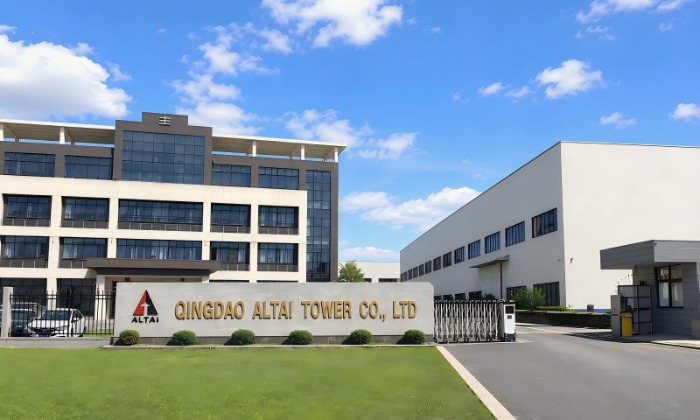
شركة تشينغداو ألتاي تاور المحدودة هي شركة مصنعة متخصصة في أبراج الاتصالات، وأبراج الطاقة، وملحقات الأبراج، تأسست عام 2003. تتخصص الشركة في تصميم وتصنيع وتركيب الأبراج الفولاذية وهياكل الاتصالات، مع تصدير المنتجات إلى أكثر من 100 دولة ومنطقة.
تقدم شركة تشينغداو ألتاي تاور أبراج رادار مصممة حسب الطلب لتطبيقات تشمل:
رادار مراقبة الحركة الجوية
رادار مراقبة الطقس
رادار المراقبة العسكرية
المراقبة الساحلية ومراقبة الحدود
| القدرة | المواصفات |
|---|---|
| القدرة الإنتاجية | 3,000 طن متري شهريًا |
| الجلفنة | ورشة داخلية مزودة بمعدات إيطالية، مع الالتزام الصارم بمعيار ASTM A123 |
| مدة التسليم | 30 يومًا بعد الدفع |
| الشهادات | ISO 9001، ISO 14001، ISO 45001، CE |
| براءات الاختراع | 23 براءة اختراع دولية |
| الأتمتة | خط إنتاج فولاذ زاوي يتم التحكم فيه بواسطة PLC خلال العملية الكاملة |
قامت Qingdao Altai Tower بدمج التحقق من الجودة طوال عملية التصنيع بدلًا من اعتباره نقطة فحص نهائية فقط. يحدد هذا النهج المشكلات المحتملة مبكرًا، مما يمنع تأخيرات إعادة العمل مع ضمان إنتاج متسق يلبي المعايير المحددة.
قامت Qingdao Altai Tower بتوريد أبراج رادار مُعدّلة لتطبيقات متخصصة، بما في ذلك مراقبة هجرة الآفات لضمان نمو المحاصيل الصحي خلال مواسم الزراعة. يوضح ذلك قدرة الشركة على تخصيص تصاميم أبراج الرادار لتطبيقات غير تقليدية تتجاوز مراقبة الحركة الجوية والدفاع.
| المعيار | برج رادار متكامل | برج تقليدي + مأوى منفصل |
|---|---|---|
| المساحة المطلوبة في الموقع | هيكل واحد — يتطلب الحد الأدنى من مساحة الأرض | هيكلان — برج بالإضافة إلى مبنى معدات منفصل |
| الأساسات | أساس متكامل واحد | أساسان منفصلان (البرج + المبنى) |
| الجدول الزمني للتركيب | أيام — موصل مسبقًا ومختبر مسبقًا في المصنع | أسابيع إلى أشهر — إنشاءات متتابعة |
| تمديدات الكابلات | وصلات مترابطة قصيرة ومجهزة مسبقًا | مسارات كابلات طويلة بين البرج والمأوى |
| التحكم البيئي | تحكم مدمج في درجة الحرارة والرطوبة | نظام HVAC منفصل لمبنى المعدات |
| الصلابة الهيكلية | عالية — التصميم المتكامل يوفر صلابة فائقة | تختلف — البرج والمبنى مستقلان هيكليًا |
| أداء الرادار | محسّن — خصائص انحراف منخفضة | محدود بسبب انحراف البرج وفقدان إشارة الكابل |
| التكلفة الإجمالية للمشروع | أقل — تصميم موحد وتنفيذ أسرع | أعلى — هياكل متعددة وجدول زمني أطول |
| الوصول لأعمال الصيانة | متكامل — نقطة وصول واحدة | منفصل — يتطلب الوصول إلى كلا الهيكلين |
| الأفضل لـ | المواقع محدودة المساحة، والتنفيذ السريع، ومتطلبات الحلول الجاهزة للتشغيل | المواقع ذات المساحات الواسعة والجداول الزمنية الأطول للمشروعات |
الإجابة: تتميز الأبراج المتكاملة بـ غرف معدات مدمجة يتم التحكم في درجة حرارتها ورطوبتها، مما يضمن تشغيل إلكترونيات الرادار ضمن المعايير المحددة.
الإجابة: نعم. توفر الشركات المصنعة تصميمات قياسية وتصميمات خاصة بالعملاء، مع إمكانية تخصيص الارتفاع والتكوين وتكامل المعدات.
الإجابة: تستوفي أبراج الرادار المتكاملة وأنظمة الرادار الخاصة بها عادةً أو تتجاوز معايير ICAO وEurocontrol، مع توافق التصميم الإنشائي مع معايير البناء والأبراج ذات الصلة.
الإجابة: نعم. مع الحماية المناسبة من التآكل (الجلفنة بالغمس الساخن)، تناسب الأبراج المتكاملة المراقبة الساحلية والمنشآت البحرية حيث يمكن تهيئة أي غرفة مناسبة ضمن المنطقة المحيطة.
الإجابة: بالنسبة إلى شركات مصنعة مثل Qingdao Altai Tower، تكون المدة الزمنية عادةً 30 يومًا بعد الدفع، مع قدرة إنتاج تبلغ 3,000 طن متري شهريًا.
يمثل برج الرادار المتكامل تطورًا أساسيًا في تصميم البنية التحتية للرادار. ومن خلال الجمع بين الدعم الإنشائي وإيواء المعدات في هيكل واحد مدمج، فإنه يعالج ثلاثة من أكثر تحديات نشر الرادار استمرارًا: قيود المساحة، ووقت التركيب، والتكلفة الإجمالية للمشروع.
بالنسبة لسلطات المطارات التي تواجه محدودية في الأراضي، ولمشغلي الموانئ الذين يحتاجون إلى مراقبة ساحلية دون التضحية بمساحة الواجهة البحرية القيمة، وللمخططين العسكريين الذين يحتاجون إلى قدرات نشر سريعة، يوفر البرج المتكامل حلًا لا يمثل مجرد تحسين تدريجي—بل هو عامل تمكين استراتيجي.
مع ارتفاعات تتراوح من 10 إلى 50 مترًا، وتحكم بيئي مدمج، وتكامل مسبق في المصنع، وصلابة عالية لتحقيق أداء رادار متفوق، توفر الأبراج المتكاملة الموثوقية والدقة والكفاءة التي تتطلبها تطبيقات الرادار الحديثة. ومع استمرار تطور تقنية الرادار، يظل البرج المتكامل جاهزًا ليكون منصة للجيل القادم من أنظمة التحكم في الحركة الجوية والمراقبة والرصد.
هل أنت مستعد لنشر برج رادار متكامل لمشروع التحكم في الحركة الجوية أو المراقبة أو الرصد الخاص بك؟ تواصل مع فريق الهندسة في Qingdao Altai Tower اليوم للحصول على تصميم مخصص، وهندسة خاصة بالموقع، وعرض تفصيلي.



 شبكة IPv6 مدعومة