

 English
 français
 русский
 español
يبحث
ما الذي تبحث عنه?
يبحث

تُعد محاذاة فتحات البراغي أهم معلمة جودة على الإطلاق في تصنيع أبراج الفولاذ الزاوي. يتم تجميع البرج الشبكي ذاتي الدعم من مئات أو حتى آلاف القطع الزاوية وصفائح التوصيل باستخدام البراغي—وأي انحراف في فتحة توصيل واحدة قد يجعل عملية التركيب في الموقع مستحيلة. المعيار الصناعي لتحمل موضع الفتحة هو ±0.5 مم وفقًا لـ GB/T 2694، ويتم تحقيقه من خلال أنظمة التثقيب والحفر التي يتم التحكم فيها بواسطة CNC والتي تلغي أخطاء القياس اليدوي. التحقق النهائي هو التجميع التجريبي، حيث يجب أن تجتاز كل فتحة برغي اختبار مرور البرغي بنسبة 100%—مع حظر التوسيع أو الإدخال القسري للبراغي بشكل صارم. عند تنفيذ ذلك بشكل صحيح، تضمن هذه الدقة محاذاة آلاف فتحات البراغي بشكل مثالي في الموقع، مما يتيح تركيبًا سريعًا وخاليًا من المشاكل.
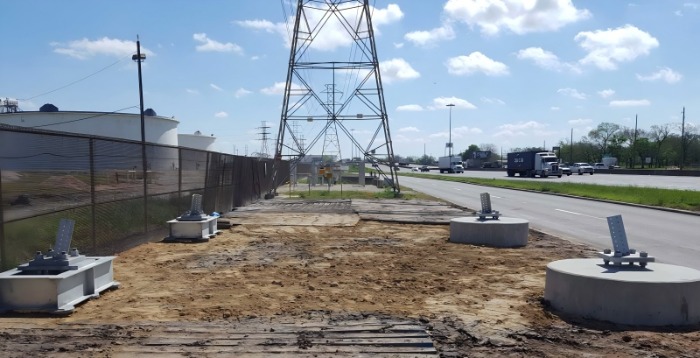
دقة تصنيع الفتحات أمر حاسم: تُعد الوصلات المثبتة بالبراغي طريقة التجميع الأساسية للأبراج الشبكية، مما يجعل دقة موضع الفتحات أساس نجاح التركيب الميداني
تقنية CNC تقضي على الخطأ البشري: يتم تشغيل أنظمة التثقيب والحفر CNC مباشرة بواسطة بيانات برنامج إعداد المخطط، مما يلغي القياس والتعليم اليدويين
يتم قياس التفاوتات بنصف المليمتر:تتطلب المعايير الصناعية مثل GB/T 2694 أن تكون تفاوتات تباعد الفتحات والمسافة عن الحافة ضمن ±0.5 مم
التجميع التجريبي أمر لا يمكن التفاوض بشأنه: يتحقق التجميع التجريبي قبل التسليم من مرور 100% من البراغي—ويُحظر التوسيع أو الإدخال القسري للبراغي بشكل صارم
للمحاذاة السيئة عواقب متسلسلة:حتى الانحرافات الصغيرة يمكن أن تتراكم عبر مئات الوصلات، مما يجعل التعديل الميداني مكلفًا ويؤثر على السلامة الإنشائية
الحفر مقابل التثقيب: يُعد التثقيب فعالًا للزوايا القياسية؛ بينما يُطلب الحفر للمقاطع السميكة (عادةً >14 مم) أو الفتحات ذات القطر الكبير لضمان نعومة جدار الفتحة
من يبحث عن هذه المعلومات؟
| نوع المستخدم | النية الأساسية | المخاوف الرئيسية |
|---|---|---|
| مديرو المشتريات / مالكو المشاريع | تقييم قدرة الموردين على التصنيع | ما إذا كان المورد قادرًا على تسليم مكونات تتوافق مع بعضها في الموقع دون إعادة عمل |
| مشرفو تركيب الموقع | استكشاف مشكلات التجميع الميداني وإصلاحها | كيفية التعامل مع الفتحات غير المتحاذية، وما أسبابها، وكيفية منعها |
| مهندسو ضمان الجودة | فهم المعايير الصناعية وأفضل الممارسات | التفاوتات المقبولة، وطرق الفحص، ونقاط التحقق من مراقبة الجودة |
| مصنعو الأبراج | تحسين عمليات التصنيع | برمجة CNC، وطرق تصنيع الفتحات، وإجراءات التجميع التجريبي |
| مهندسو التصميم | تحديد التفاوتات وتفاصيل الوصلات | كيفية تأثير قرارات التصميم على قابلية التصنيع والتجميع الميداني |
ملخص نية البحث: يبحث المستخدمون عن معلومات موثوقة حول كيفية تحقيق محاذاة فتحات البراغي والتحقق منها في تصنيع الأبراج. يريد مديرو المشتريات معرفة ما يجب البحث عنه لدى المورد؛ ويحتاج مشرفو المواقع إلى حلول للمشكلات الميدانية؛ بينما يحتاج المهندسون إلى المواصفات الفنية لدعم قرارات التصميم والجودة. يتمثل القلق الأساسي المشترك بين جميع أنواع المستخدمين في تجنب إعادة العمل المكلفة في الموقع وتأخيرات المشاريع.
1. ما هو التفاوت المقبول لمواضع فتحات البراغي؟ وما المعايير المطبقة؟
2. ما الفرق بين التثقيب والحفر؟ ومتى يتم استخدام كل طريقة؟
3. كيف تعمل تقنية CNC على تحسين دقة محاذاة الثقوب؟ هل يمكن للطرق اليدوية تحقيق نفس مستوى الدقة؟
4. ما هي عملية التجميع التجريبي؟ هل هي مطلوبة لكل مشروع؟ وما الذي تتحقق منه؟
5. ماذا يحدث عندما لا تتطابق الثقوب في الموقع؟ هل يمكن إعادة توسيعها أو تكبيرها؟ وما هي العواقب الهيكلية؟
6. كيف يؤثر عدم محاذاة الثقوب على السلامة الهيكلية؟ هل يؤثر على قدرة البرج على تحمل الأحمال؟
7. ما هي نقاط فحص مراقبة الجودة التي ينبغي أن أتوقعها من مُصنّع موثوق؟
8. كيف يمكنني التحقق من قدرة المورد على تصنيع الثقوب قبل تقديم طلب؟
9. ما هي الأسباب الشائعة لعدم محاذاة الثقوب؟ هل هي برمجة CNC ضعيفة؟ تشوه المواد؟ تشوه اللحام؟
10. ما هي الوثائق التي ينبغي أن يقدمها المُصنّع لإثبات جودة محاذاة الثقوب؟
لماذا تعد محاذاة ثقوب البراغي مهمة وكيف تؤثر على دورة حياة المشروع بأكملها.
مقارنة تقنية بين الطريقتين الرئيسيتين، مع معايير الاختيار.
كيف تلغي تقنية التحكم العددي بالحاسوب الأخطاء البشرية وتحقق تفاوتات بمقدار ±0.5 مم.
نظرة عامة على GB/T 2694 وTIA-222 والمعايير الأخرى ذات الصلة.
لماذا يُعد التجميع التجريبي قبل التسليم نقطة فحص جودة لا يمكن استبدالها.
ما الذي يحدث عندما لا تتطابق الثقوب — ولماذا يُعد توسيع الثقوب حلاً أخيرًا.
ملخص لنقاط الفحص طوال عملية التصنيع.
قدرات الشركة ونهج مراقبة الجودة.
إجابات عن أكثر الأسئلة شيوعًا حول محاذاة ثقوب البراغي.
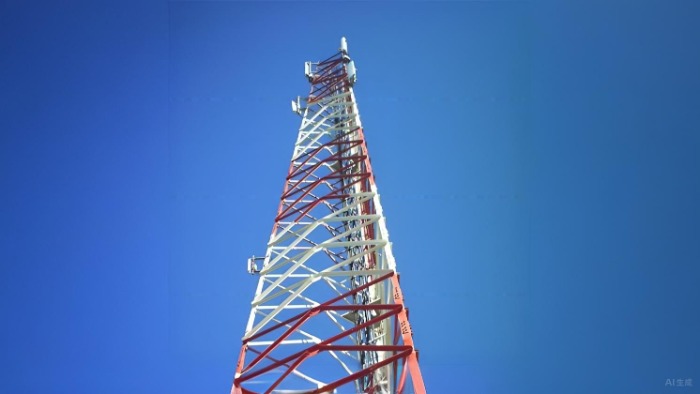
البرج ذاتي الدعم المصنوع من الفولاذ الزاوي ليس كتلة ملحومة متكاملة، بل هو هيكل شبكي فراغي مُجمّع من مئات أو حتى آلاف القطع الزاوية وصفائح الوصل باستخدام البراغي. فلسفة البناء بالوصلات المربوطة هذه هي ما يجعل أبراج الشبكات قابلة للنقل، ووحداتية، وقابلة للتجميع في الموقع. لكنها تعني أيضًا أن كل ثقب وصلة يجب أن يكون موضوعًا بدقة — لأنه إذا انحرف حتى ثقب واحد ببضعة ملليمترات، فقد تتوقف عملية التجميع بأكملها.
يتفاقم التحدي بسبب الحجم. قد يحتوي برج نقل الطاقة أو الاتصالات النموذجي على آلاف ثقوب البراغي، حيث يتم حفر أو تثقيب كل منها في مكوّن مختلف. تُصنع هذه المكونات بشكل منفصل، وتُشحن بشكل منفصل، ولا تلتقي للمرة الأولى إلا في موقع التركيب. إذا لم تتطابق الثقوب، فلن يتم تركيب البرج.
ولهذا السبب تُعد دقة تصنيع الثقوب عاملًا حاسمًا لعملية تركيب سلسة في الموقع. فهي معيار الجودة الأكثر أهمية في تصنيع الأبراج — والعامل الذي يميز المصنّعين الموثوقين عن أولئك الذين يتسببون في مشكلات ميدانية مكلفة.
هناك طريقتان رئيسيتان لإنشاء ثقوب البراغي في أبراج الفولاذ الزاوي: التثقيب والحفر. لكل منهما مزاياها وتطبيقاتها المناسبة.
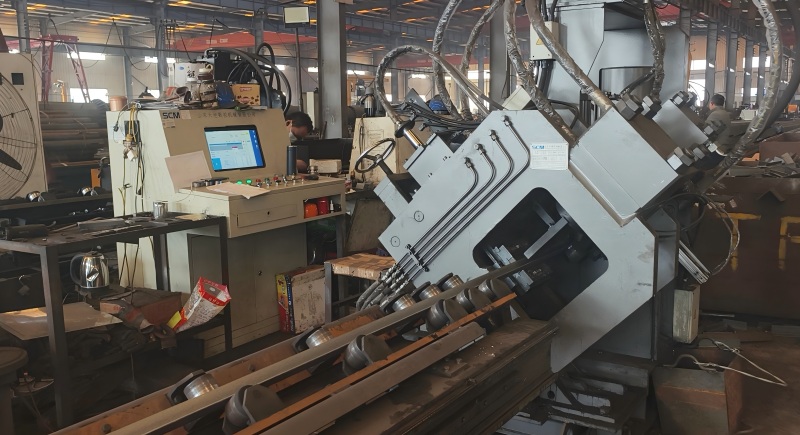
بالنسبة لمعظم مقاسات الفولاذ الزاوي القياسية، يستخدم المصنّعون خطوط إنتاج الزوايا CNC لإجراء التثقيب. تدمج هذه المعدات الآلية التغذية والنقل والتثقيب والقص في عملية مستمرة واحدة.
المزايا الرئيسية للتثقيب:
كفاءة عالية: مثالي للإنتاج بكميات كبيرة للمكونات القياسية
اتساق ممتاز: كل مكوّن مطابق للآخر، مما يلغي أخطاء التجميع
تشغيل آلي: يتم التحكم به مباشرة بواسطة البيانات من برنامج التخطيط، مما يلغي القياس والتعليم اليدوي
تُنشئ مكبس الثقب بدقة ثقوب البراغي على سطح الساق المحدد وفي المواضع المحددة وفقًا للبرنامج، مع التحكم الصارم في تفاوتات تباعد الثقوب والمسافة عن الحافة ضمن الحدود القياسية.
القيود: الثقب غير مناسب لجميع التطبيقات. لا يجوز ثقب أي فتحة عندما يتجاوز سُمك المواد القطر النهائي للفتحة.
بالنسبة للزوايا ذات السُمك الكبير (عادةً عندما يتجاوز سُمك الساق 14 مم) أو الثقوب ذات القطر الكبير التي تتجاوز قدرة الثقب، ينتقل المصنعون إلى الحفر.
المزايا الرئيسية للحفر:
جودة فائقة لجدار الثقب: الحفر هو عملية قطع تنتج تأثير تمزيق ناتج عن الصدمات على المعدن الأساسي، مما يؤدي إلى نعومة سطح أعلى على جدران الثقوب واتساق أفضل في قطر الثقب
مناسب للفولاذ عالي القوة: مهم بشكل خاص لمكونات أبراج الجهد فائق الارتفاع ودرجات الفولاذ عالية القوة
التعامل مع المقاطع الكبيرة: تتعامل آلات الحفر CNC متعددة المحاور وآلات الحفر من النوع الجسري بكفاءة مع حفر ثقوب متعددة في الفولاذ الزاوي الكبير وصفائح التوصيل في إعداد واحد
استيراد البيانات: يتم أيضًا استيراد بيانات الحفر تلقائيًا من برنامج التخطيط، مما يلغي الأخطاء اليدوية.
| العامل | الثقب | الحفر |
|---|---|---|
| سماكة المادة | ≤14 مم نموذجي | >14 مم |
| حجم الإنتاج | مكونات قياسية عالية الإنتاجية | مكونات مخصصة أو منخفضة الإنتاجية |
| جودة الثقب | جيدة | فائقة (جدران أكثر نعومة، دون تمزق ناتج عن التأثير) |
| الكفاءة | أعلى | أقل |
| الأفضل لـ | الزوايا القياسية، الإنتاج بكميات كبيرة | المقاطع السميكة، الفولاذ عالي القوة، مكونات UHV |
يمثل الانتقال من تصنيع الثقوب يدويًا إلى تصنيعها باستخدام CNC تحسنًا جوهريًا في الدقة والموثوقية.
الطرق اليدويةاعتمدت على القوالب، وعلامات التخطيط، ومهارة المشغّل. كان من الممكن أن تتسلل الأخطاء من خلال:
تحديد موضع القالب بشكل غير دقيق
قياسات مقروءة بشكل خاطئ
تراكم التفاوتات التراكمي
أخطاء ناتجة عن التعب في العمليات المتكررة
تزيل أنظمة CNC مصادر الخطأ هذه. تُدار الآلات مباشرةً بواسطة البيانات المُنشأة من برنامج إنشاء الأسطح. وهذا يعني:
لا حاجة إلى القياس أو التعليم اليدوي
يتم إنتاج كل مكوّن وفق مواصفات متطابقة
تكون مواضع الثقوب دقيقة ضمن ±0.5 مموفقًا للمعيار GB/T 2694
يمكن تخزين بيانات الإنتاج وإعادة استخدامها للطلبات المستقبلية
بعد التثقيب، يقوم العمال بإزالة الزوائد الحادة من حواف الثقوب لمنع تلف الطلاء المجلفن للمسامير.هذه الخطوة التي تبدو بسيطة بالغة الأهمية—فالحواف الحادة يمكن أن تزيل الزنك من أسنان المسامير أثناء التركيب، مما يعرّض الحماية من التآكل للخطر.
تحكم عدة معايير تفاوتات ثقوب المسامير في تصنيع الأبراج.
GB/T 2694-2018 هو المواصفة الحالية لتصنيع أبراج خطوط النقل. وهو يتطلب:
تفاوتات تباعد الثقوب والمسافة من الحافة ضمن ±0.5 مم
التحقق بنسبة 100% من مرور المسامير خلال الثقوب أثناء التجميع التجريبي
يحدد TIA-222-H متطلبات الهياكل الداعمة للهوائيات. وتشمل تفاوتات الثقوب:
يجب أن تكون الثقوب المحفورة أكبر بمقدار 1/16 بوصة (2 مم) من القطر الاسمي للمسمار
سيكون عدم تطابق الثقوب بشكل سيئ سببًا للرفض
يجب أن تكون الثقوب الموسعة أسطوانية ومتعامدة مع العضو الإنشائي
ISO 898-1/-2: الخواص الميكانيكية للمسامير والصواميل
AWS D1.1: معايير اللحام للفولاذ الإنشائي
ASTM A123: مواصفات الجلفنة بالغمس الساخن
ملاحظة مهمة: يكون قطر ثقب المسمار عادةً أكبر بمقدار 1/16 بوصة (1.6 مم) من قطر المسمار الاسمي. تسمح هذه الخلوصات بإجراء تعديلات طفيفة أثناء التجميع، لكنها تُدخل أيضًا انزلاقًا للمسامير عندما يتعرض البرج للحمل، مما يغير استجابة الإزاحة الخاصة به. ولهذا السبب تُعد الدقة في تحديد مواضع الثقوب أمرًا أساسيًا—فإن الخلوص الزائد أو عدم المحاذاة يزيدان من تفاقم المشكلة.
يُعد التجميع التجريبي خطوة لا يمكن استبدالها للتحقق من الجودة في تصنيع الأبراج ونقطة الفحص الفني النهائية. وهو المكان الذي يتحمل فيه المصنّع المسؤولية الكاملة عن جودة التسليم.
وفقًا لـ GB/T 2694 ومتطلبات عقد المشروع، يتم اختيار مقاطع أبراج ممثلة أو رؤوس أبراج كاملة وعُقد جسم البرج من كل دفعة إنتاج لإجراء التجميع المسبق في المصنع.
يُجرى التجميع التجريبي على منصة تجميع مخصصة، تتم تسويتها بدقة لمحاكاة مستوى المرجع الفعلي للتركيب. يتبع العمال رسومات التركيب وقوائم البراغي بدقة، باستخدام براغي وحلقات مطابقة لتلك المستخدمة في الموقع.
أثناء التجميع التجريبي، يركز مهندسو الجودة على ثلاثة مجالات حرجة:
الانحرافات الهندسية الكلية: عرض جسم البرج، وفروق الأقطار، وفروق مستويات الأذرع المتقاطعة
ملاءمة وصلات الربط: التحقق من أن تنظيف الجذور، والكشط الخلفي، ونتائج الثني الساخن تستوفي المعايير
معدل مرور البراغي بنسبة 100%: يُمنع منعًا صارمًا التوسيع أو الإدخال القسري
يتم أيضًا التحقق من توافق توصيل المكونات الملحقة مثل السلالم والمنصات ودعامات الكابلات.
بعد التجميع، تُستخدم أجهزة قياس المسافة بالليزر، وأجهزة المزواة، وأدوات القياس المتخصصة لإجراء قياسات شاملة، مع تسجيل كل نقطة بيانات والتقاط سجلات فوتوغرافية.
إذا تم العثور على أي انحراف، يقوم الفريق فورًا بتتبع العملية المسؤولة وتنفيذ الإجراءات التصحيحية حتى استيفاء جميع متطلبات سماحات التصميم بالكامل.
بعد اجتياز التجميع التجريبي، يتم ترقيم المكونات وفقًا لتسلسل التركيب، ثم تفكيكها وتعبئتها للتسليم.
تزيل هذه الخطوة بشكل أساسي حالات عدم اليقين أثناء التركيب في الموقع. وبالأخص في مشاريع التصدير، فإن تحديد المشكلات وحلها محليًا يضمن وصول الأبراج إلى الموقع جاهزة لتركيب سلس وفعال.
يجب إتمام التجميع دون بذل جهد استثنائي لمحاذاة ثقوب البراغي أو إجبار القطع على الوصول إلى مواضعها. يجب ألا يتم توسيع ثقوب البراغي أو تكبيرها. هذا ليس مجرد ممارسة فضلى، بل هو متطلب تعاقدي في معظم المواصفات.
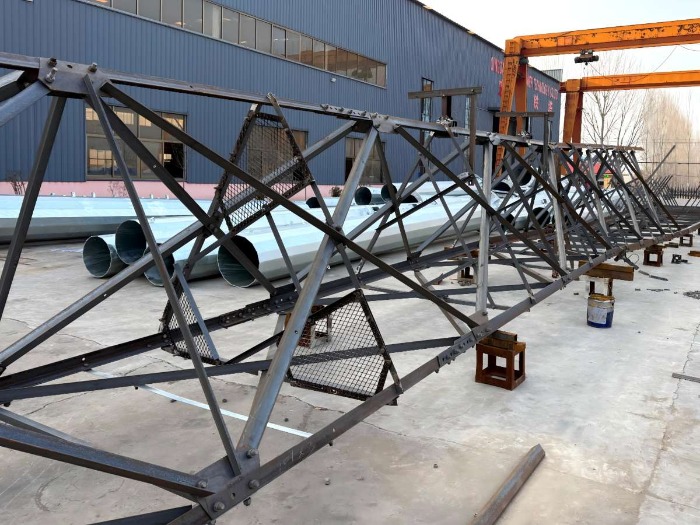
على الرغم من أفضل الجهود في التصنيع، قد تحدث مشكلات في التجميع الميداني. ويُعد فهم الأسباب والنتائج أمرًا ضروريًا.
سلسلة من عدم تطابق الأبعاد الصغيرة: يمكن لانحراف يتراوح بين 2 مم و4 مم في طول الرجل أن يغيّر مواضع الثقوب بما يكفي لإنشاء أعمال تعديل ميدانية
تشوه اللحام: قد يتشوه فولاذ رجل البرج أثناء اللحام، مما يؤدي إلى خروج الثقوب عن المحاذاة
تقنية تثقيب غير مناسبة: يمكن أن تتشكل شقوق عند حواف ثقوب البراغي إذا كانت معايير التثقيب غير صحيحة
أضرار النقل: يمكن أن تنثني المكونات أو تتشوه أثناء الشحن
عندما لا تتطابق الثقوب في الموقع، قد يميل المقاولون إلى توسيع الثقوب أو تكبيرها لإدخال البراغي. ومع ذلك، فإن هذه الممارسة لها عواقب إنشائية كبيرة:
انزلاق البراغي يؤدي إلى زيادة كبيرة في قوة بعض القضبان المتصلة
عندما يكون خلوص البرغي أقل من 2 مم، يكون لتغير خلوص البرغي التأثير الأكبر على القوة المحورية للقضبان
تتأثر السلامة الإنشائية: لم يعد الوصل يتصرف كما هو مصمم
يتأثر الأداء طويل الأمد: يؤدي زيادة انزلاق البراغي إلى تغيير استجابة إزاحة البرج تحت الحمل
إرشادات التعديل الميداني: إذا كان توسيع الثقوب ضروريًا تمامًا، فلا تُوسّع أكثر من 5% من ثقوب الوصلة. ومع ذلك، فإن النهج المفضل هو منع المشكلة بالكامل من خلال رقابة صارمة على جودة التصنيع والتجميع التجريبي.
| الخطوة | العمليات الأساسية | نقاط فحص مراقبة الجودة الرئيسية |
|---|---|---|
| إعداد المواد | استلام المواد وقطعها | شهادات المواد، الدقة الأبعادية |
| التثقيب باستخدام CNC | التثقيب الآلي للثقوب | دقة موضع الثقب (±0.5 مم)، إزالة الحواف الحادة |
| الحفر باستخدام CNC | حفر الثقوب للمقاطع السميكة | نعومة جدار الثقب، اتساق القطر |
| التشكيل | الثني على البارد/الساخن | الاستقرار الأبعادي، سلامة السطح |
| التجميع التجريبي | تجميع كامل أو تجميع تمثيلي | مرور البراغي بنسبة 100%، الانحرافات الهندسية |
| التغليف | الترقيم، التغليف، وضعها في الصناديق | تحديد المكونات، حماية الطلاء |
شركة تشينغداو ألتاي للأبراج المحدودة هي شركة مصنعة متخصصة لأبراج الاتصالات وأبراج الطاقة وملحقات الأبراج، تأسست عام 2003. تتخصص الشركة في تصميم وتصنيع وتركيب الأبراج الفولاذية، ويتم تصدير منتجاتها إلى أكثر من 100 دولة ومنطقة.
| القدرة | المواصفات |
|---|---|
| القدرة الإنتاجية | 3,000 طن متري شهريًا |
| الجلفنة | ورشة داخلية مجهزة بمعدات إيطالية، مع الالتزام الصارم بمعيار ASTM A123 |
| مدة التسليم | 30 يومًا بعد الدفع |
| الشهادات | ISO 9001، ISO 14001، ISO 45001، CE |
| براءات الاختراع | 23 براءة اختراع دولية |

قامت شركة تشينغداو ألتاي للأبراج بدمج التحقق من الجودة خلال عملية التصنيع بالكامل بدلًا من اعتباره نقطة فحص نهائية فقط. يحدد هذا النهج المشكلات المحتملة مبكرًا، مما يمنع تأخيرات إعادة العمل مع ضمان إنتاج متسق يفي بالمعايير المحددة.
تقنية CNC هي أساس دقة الشركة في تصنيع الثقوب. تستخدم آلات CNC مكابس هيدروليكية وقوالب مخصصة لثقب نمط الثقوب الدقيق للبراغي بسرعة ودقة مذهلتين. تضمن تقنية CNC أن يكون كل مكون مطابقًا للآخر، مما يلغي أخطاء التجميع ويضمن السلامة الهيكلية.
التجميع التجريبي يُجرى على كل دفعة إنتاج، مع اشتراط معدل مرور للبراغي بنسبة 100%. إذا تم العثور على أي انحراف، يقوم الفريق فورًا بتتبع العملية المسؤولة وتنفيذ الإجراءات التصحيحية حتى استيفاء جميع متطلبات سماحات التصميم بالكامل.
ورشة جلفنة داخلية مزودة بمعدات إيطالية، مما يضمن جودة طلاء متسقة
شهادات شاملة: ISO9001 وISO14001 وISO45001
23 براءة اختراع دولية تُظهر الابتكار الهندسي
تصميم معياري يتيح التعبئة الفعّالة والنشر السريع
وصلات مثبتة بالبراغي—لا حاجة إلى لحام ميداني، مما يبسط عملية التركيب
إمكانية تتبع كاملة: يتم تتبع كل مكوّن خلال تدفق الإنتاج بالكامل
| المعيار | التثقيب/الحفر باستخدام CNC | الطرق اليدوية/طرق القوالب |
|---|---|---|
| دقة موضع الثقب | ±0.5 مم (GB/T 2694) | ±2 مم أو أكثر |
| الاتساق | كل مكوّن مطابق للآخر | متغير—يعتمد على المشغّل |
| مصادر الخطأ | ضئيلة—مؤتمتة | متعددة—القياس، ووضع العلامات، وتآكل القالب |
| سرعة الإنتاج | عالية | منخفضة |
| تكامل البيانات | مباشر من برنامج إعداد المخططات | إدخال البيانات يدويًا |
| معدل إعادة العمل | منخفض | مرتفع |
| الملاءمة للأنماط المعقدة | ممتازة | محدودة |
| نجاح التجميع الميداني | قابل للتنبؤ | غير قابل للتنبؤ |
ج: وفقًا لـ GB/T 2694، يجب أن تكون تفاوتات تباعد الثقوب والمسافة عن الحافة ضمن ±0.5 مم. وينطبق ذلك على عمليات التثقيب والحفر على حد سواء.
ج: يستخدم التثقيب مكبسًا هيدروليكيًا وقالبًا لقص الثقب، وهو مناسب للزوايا القياسية التي يصل سمكها إلى 14 مم. أما الحفر فهو عملية قطع تُستخدم للمقاطع الأكثر سماكة (>14 مم) أو الثقوب ذات القطر الكبير، حيث ينتج جدران ثقوب أكثر نعومة دون تمزق ناتج عن الصدمة.
ج: يتم تجميع البرج الشبكي من مئات أو حتى آلاف الوصلات المثبتة بالمسامير. وقد يؤدي أي انحراف في فتحة وصلة واحدة إلى استحالة التركيب في الموقع. يتحقق التجميع التجريبي من محاذاة كل فتحة مسمار بشكل مثالي قبل شحن المكونات.
ج: إعادة التثقيب أو الإدخال القسري محظوران تمامًا في الممارسة المهنية. يجب إنجاز التجميع دون بذل جهد استثنائي لمحاذاة فتحات المسامير. وإذا كانت إعادة التثقيب ضرورية للغاية، فلا تُعدّل أكثر من 5% من الفتحات في الوصلة.
ج: يؤدي عدم المحاذاة إلى انزلاق المسامير، مما يزيد القوة المؤثرة على القضبان المتصلة ويؤثر سلبًا على السلامة الهيكلية. كما أن التعديل الميداني مكلف ويستغرق وقتًا طويلًا وقد يؤدي إلى إلغاء الضمانات.
ج: تُدار أنظمة CNC مباشرة بواسطة بيانات برنامج إنشاء النماذج، مما يلغي أخطاء القياس والتعليم اليدوي. وهي تحقق دقة ±0.5 مم وتضمن تطابق كل مكون.
ج: ينبغي أن يقدم المصنع الموثوق شهادات المصنع، وبيانات إنتاج CNC، وسجلات التجميع التجريبي مع أدلة فوتوغرافية، وتقارير القياس (بيانات محدد المدى الليزري والثيودوليت)، وسجلات التحقق من مرور المسامير.
ج: تكون فتحات المسامير عادةً أكبر بمقدار 1/16 بوصة (1.6 مم) من قطر المسمار الاسمي للسماح بالتجميع. ومع ذلك، يؤدي هذا الخلوص إلى انزلاق المسامير عند تحميل البرج، مما يغير استجابة الإزاحة الخاصة به. وتقلل الدقة في تحديد مواضع الفتحات من هذا التأثير.
ج: يكون التثقيب بالضغط مناسبًا عمومًا للزوايا التي تصل سماكتها إلى 14 مم. ويُطلب الحفر للمقاطع الأكثر سماكة أو عندما يتجاوز قطر الفتحة قدرة التثقيب.
ج: اطلب سجلات التجميع التجريبي، وشهادات معايرة CNC، وتقارير الفحص التي توضح قياسات مواضع الفتحات، وإذا أمكن، قم بزيارة المصنع لمراقبة عمليات التثقيب/الحفر والتجميع التجريبي.
محاذاة فتحات المسامير ليست تفصيلًا ثانويًا في تصنيع الأبراج، بل هي الأساس الذي يعتمد عليه نجاح التجميع الميداني. فالبرج ذو الفتحات المتحاذية تمامًا يُركب بسلاسة، وفي الموعد المحدد، وضمن الميزانية. أما البرج ذو الفتحات غير المتحاذية فيتحول إلى كابوس من إعادة العمل والتأخيرات والإضرار بالسلامة الهيكلية.
إن الطريق إلى المحاذاة المثالية محدد بوضوح: التثقيب والحفر المتحكم بهما بواسطة CNC لتحقيق تفاوتات قدرها ±0.5 مم وفقًا للمعيار GB/T 2694، يليه تجميع تجريبي صارم للتحقق من مرور 100% من المسامير. وعندما يتبع المصنع هذه العملية، فإن البرج الذي يتجمع معًا على أرضية المصنع سيتجمع معًا في الموقع.
الخيار بسيط: استثمر في الدقة خلال مرحلة التصنيع، أو ادفع تكاليف إعادة العمل خلال مرحلة التركيب. يقدم أحد النهجين نتائج يمكن التنبؤ بها؛ بينما يؤدي الآخر إلى تكاليف غير متوقعة. بالنسبة لأصحاب المشاريع والمهندسين، القرار واضح: دقة محاذاة الفتحات ليست قابلة للتفاوض، بل هي شرط أساسي لنجاح المشروع.
هل أنت مستعد لضمان تجنب مشروع برجك مشاكل التجميع الميداني المكلفة؟ تواصل مع فريق الهندسة في Qingdao Altai Tower اليوم لمناقشة متطلبات الجودة وخطة التصنيع المخصصة الخاصة بك.



 شبكة IPv6 مدعومة