

 English
 français
 русский
 español
يبحث
ما الذي تبحث عنه?
يبحث
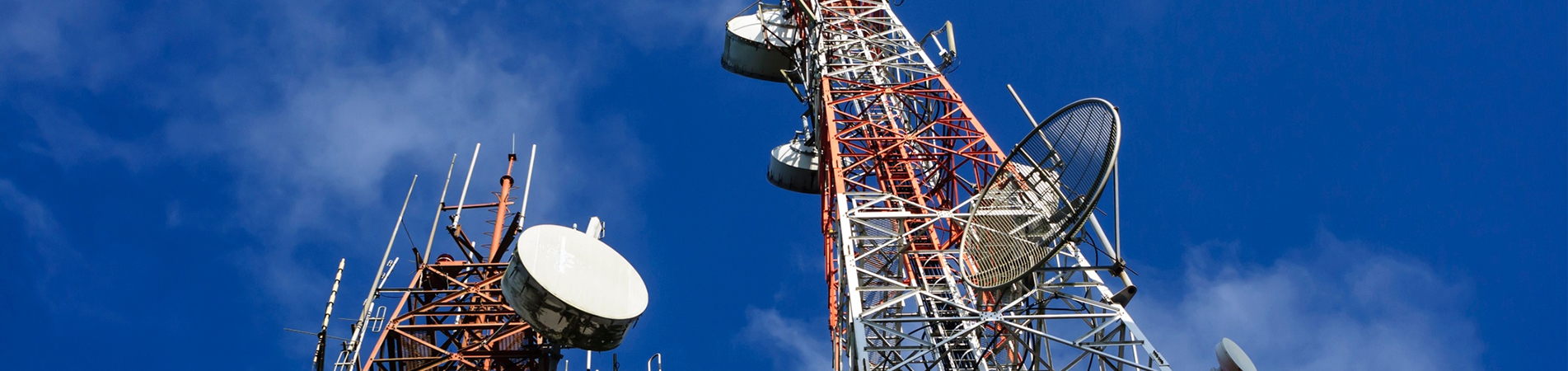
يتسم قطاع الاتصالات بتطور مستمر لا هوادة فيه. فالانتقال من الجيل الرابع إلى الجيل الخامس ليس نهاية المطاف، بل هو محطة بارزة في دورة متواصلة من التقدم التكنولوجي، تبشر بإصدارات مستقبلية مثل الجيل الخامس المتقدم والجيل السادس. وفي هذا السياق، يُعدّ اختيار البنية التحتية المادية الداعمة، أي البرج، القرار الأكثر أهمية -وغالباً الأكثر ديمومة- الذي يتخذه مخطط الشبكة.
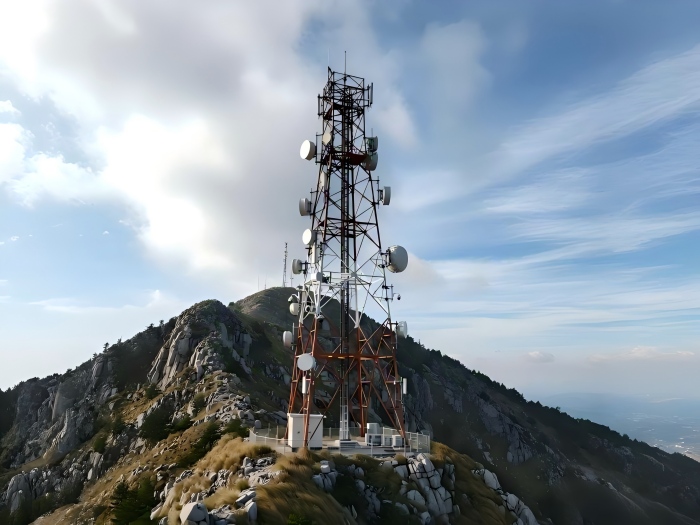
إن البرج ليس مجرد قطعة فولاذية جامدة، بل هو الركيزة الأساسية التي تُبنى عليها جميع إمكانيات الشبكة الحالية والمستقبلية. إن اختيار البرج بناءً على متطلبات اليوم فقط يُعد خطأً استراتيجياً قد يؤدي إلى تكاليف باهظة وقيود مُعيقة غداً. تكمن الرؤية المستقبلية الحقيقية في اختيار هيكل يتمتع بقدرة كامنة على "مواكبة المستقبل" - أي القوة والمساحة والمرونة اللازمة لاستيعاب متطلبات شبكات الجيل القادم غير المتوقعة بسلاسة.
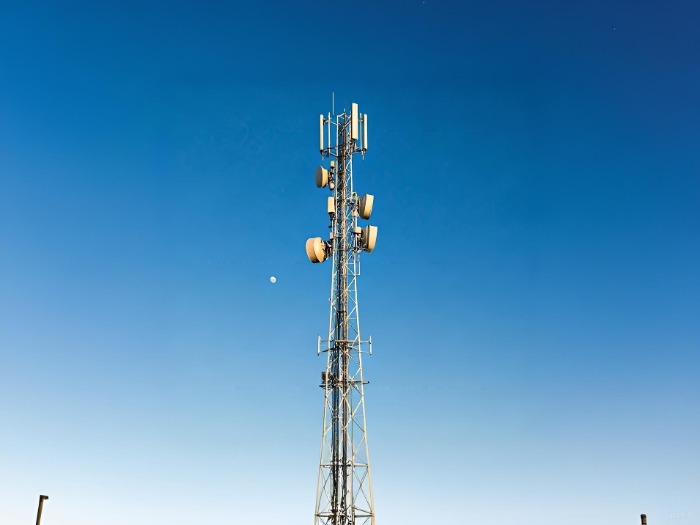
يتناول هذا التحليل كيفية اختيار النوع الأساسي من الأبراج الشائعة - الاحتكارات ، أبراج شبكية ثلاثية الأرجل ، و أبراج شبكية ذات أربعة أرجل —يؤثر بشكل كبير على تكلفة وتعقيد وجدوى ترقيات الشبكة المستقبلية.
يوفر التطور من الجيل الرابع إلى الجيل الخامس نموذجًا واضحًا للمتطلبات المستقبلية، والتي تُشكل جميعها ضغطًا على البنية التحتية للأبراج بثلاث طرق رئيسية:
زيادة عدد الهوائيات ووزنها: يعتمد نشر شبكات الجيل الخامس، وخاصة في نطاق التردد المتوسط، على هوائيات MIMO الضخمة (mMIMO). هذه الهوائيات أكبر حجماً وأثقل وزناً بشكل ملحوظ (غالباً ما يتراوح وزنها بين ضعفين إلى ثلاثة أضعاف وزن هوائي الجيل الرابع)، وتتطلب مصفوفات متعددة الهوائيات لكل قطاع. وستساهم التقنيات المستقبلية في تطوير هذا الأمر بشكل أكبر.
• زيادة الحمل الناتج عن الرياح: يؤدي الحجم المادي الأكبر لهذه الهوائيات إلى زيادة مساحة الشراع، مما يعرض البرج لقوى رياح أعلى بكثير. لذا، يجب أن يتضمن تصميم البرج قدرة احتياطية لمواجهة هذا الحمل البيئي المتزايد.
• مشاركة الشبكة بين عدة مشغلين (مشاركة شبكة الوصول الراديوي): يعتمد النموذج الاقتصادي لنشر الشبكات الكثيفة بشكل متزايد على التجميع المشترك. يجب تصميم برج مُجهز للمستقبل منذ البداية لاستضافة الحمل الإجمالي للمعدات لعدة شركات اتصالات، وليس لمشغل واحد فقط.
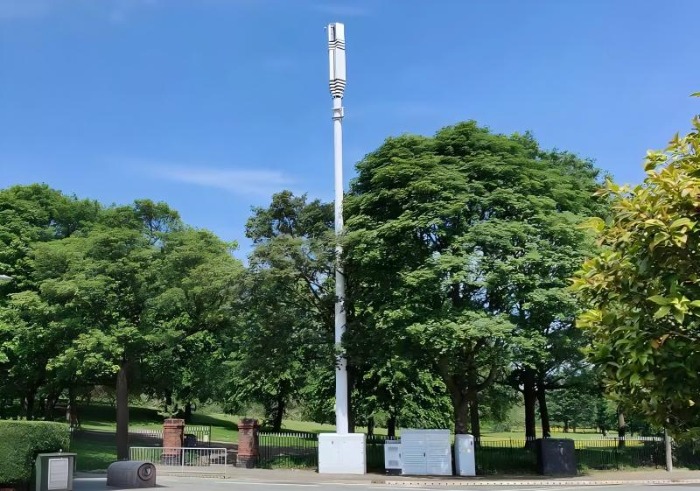
تُتيح التصاميم المعمارية المختلفة للأبراج مساراتٍ متباينةٍ للغاية للمستقبل. يلخص الجدول أدناه خصائصها الرئيسية وقيودها فيما يتعلق بالتحديثات المستقبلية:
| الميزة / القدرة | أحادي القطب | برج شبكي ثلاثي الأرجل | برج شبكي رباعي الأرجل | التأثير على التحديثات المستقبلية |
|---|---|---|---|---|
| القدرة الهيكلية الكامنة | يتم تحديدها بواسطة قطر الأنبوب الأولي، وسماكة الجدار، والأساس. | مرتفع، ذو نسبة قوة إلى وزن جيدة. قاعدة مثلثة الشكل تقاوم الانقلاب. | أعلى مستوى. صلابة التوائية فائقة وتوزيع مثالي للأحمال بفضل القاعدة المستطيلة العريضة. | تتميز الأعمدة الأحادية بسقف صلب. أما الأبراج الشبكية، وخاصة ذات الأرجل الأربع، فتُوفر سعة احتياطية هائلة لتحمل الوزن الإضافي وأحمال الرياح الناتجة عن التقنيات الجديدة. |
| مساحة المنصة ومرونة تركيب الهوائي | محدود. عادةً ما يكون عبارة عن منصة واحدة أو حلقات متدرجة. يتم تثبيت نقاط التركيب على محيط العمود. | جيد. يمكن إضافة منصات متعددة على ارتفاعات مختلفة على الجوانب الثلاثة. | ممتاز. مساحة منصة قصوى على أربعة جوانب. يسمح بفصل رأسي/أفقي واضح لعدة مشغلين ومصفوفات معقدة. | تواجه الأعمدة الأحادية "أزمة عقارية". توفر الأبراج الشبكية مساحة التركيب لألواح mMIMO إضافية، أو وحدات mmWave، أو أنواع جديدة من أجهزة الاستشعار. |
| سهولة التدعيم الهيكلي | صعب للغاية ومكلف. غالباً ما يتطلب استبدالاً كاملاً. | ممكن. يمكن إضافة دعامات ثانوية أو تقوية الأرجل في أجزاء. | الأكثر جدوى. يسمح التصميم المعياري بتعزيز الأرجل أو أنظمة التدعيم بشكل مستهدف. | عندما يصل عمود أحادي القطب إلى طاقته القصوى، يصبح الخيار الوحيد هو بناء برج جديد، وهو ما يمثل كارثة من حيث النفقات التشغيلية. أما الهياكل الشبكية فيمكن ترقيتها. |
| مؤسسة الأحمال المستقبلية | أساس واحد مركز. قد يكون من المستحيل الترقية لتحمل أحمال أكبر بكثير. | ثلاث قواعد موزعة. تتمتع بقدرة كامنة على التعامل مع عزم الانقلاب المتزايد. | أربع قواعد موزعة. توفر قاعدة أكثر استقراراً وأكبر إمكانية لتعزيز الأساس إذا لزم الأمر. | الأساس هو الجزء الأكثر ديمومة وتكلفة. ويُعدّ الأساس المتين والموزع (ذو الأربع أرجل) الأصل الأمثل الذي يضمن استدامته في المستقبل. |
| مناسبة للمواقع ذات الظروف القاسية (الرياح العاتية، الجبال) | يقتصر استخدامها على الارتفاعات المتوسطة والمناطق ذات الرياح المعتدلة. تصبح التكوينات الأطول/الأثقل غير فعالة. | ممتاز. الحل الأمثل للرياح العاتية والتضاريس الوعرة بفضل قوته وثباته ثلاثي النقاط. | متفوق. الخيار الأمثل لأطول الهياكل، وأثقل الأحمال التي تتطلب عدة مشغلين، وأقسى بيئات الرياح/الجليد. | إن الاستثمار في برج شبكي لموقع صعب اليوم يضمن منصة قابلة للتطبيق لأي تقنية مستقبلية في ذلك الموقع. |
إن الحجة الاقتصادية لتأمين المستقبل مقنعة عند النظر إليها من منظور التكلفة الإجمالية لدورة الحياة.
• السيناريو أ (برج شبكي رباعي الأرجل مقاوم للمستقبل): تكلفة رأس المال الأولية للأبراج مرتفعة. مع ذلك، عند الترقية إلى الجيل الخامس وما بعده، تنخفض تكلفة رأس المال لتحديث الشبكة، لتقتصر على تكلفة الهوائيات الجديدة وتركيبها. ويستمر البرج في تقديم قيمة مضافة لعقود.
• السيناريو ب (أحادي القطب ذو السعة المحدودة): انخفاض التكاليف الرأسمالية الأولية للبرج. عند الترقية إلى تقنية تتجاوز سعتها، تصبح التكاليف الرأسمالية اللازمة لترقية الشبكة باهظة للغاية. وتشمل هذه التكاليف: 1) تصميم برج جديد، 2) الحصول على تراخيص وتراخيص جديدة، 3) بناء أساسات جديدة، 4) إيقاف تشغيل البرج القديم، 5) تركيب برج جديد، 6) فترة توقف الشبكة أثناء عملية النقل. قد تتجاوز التكلفة الإجمالية التوفير الأولي بكثير.
عند تقييم برج لموقع جديد، اطرح هذه الأسئلة الاستراتيجية:
هامش التحميل: هل يتمتع التصميم بقدرة هيكلية احتياطية لا تقل عن 30-40% تتجاوز الأحمال المحسوبة حاليًا (وزن الهوائي، والرياح، والجليد)؟ هذا الهامش هو "الوقود" اللازم للتحديثات المستقبلية.
· التخطيط المكاني: هل يوفر البرج مواقع تركيب غير معاقة على واجهات متعددة وعلى ارتفاعات متعددة للسماح بإضافة 2-3 مشغلين آخرين أو عدة مصفوفات هوائيات جديدة؟
· الحياد التكنولوجي: هل تصميم البرج قابل للتكيف مع عوامل الشكل غير المعروفة؟ أبراج الشبكة، مع دعاماتها المرنة وملحقات المنصة، هي بطبيعتها أكثر مرونة من الأبراج أحادية القطب ذات حلول التثبيت الثابتة.
· السيطرة على الموقع: هل يُعد هذا الموقع أصلاً استراتيجياً لا غنى عنه للتغطية؟ إذا كانت الإجابة نعم، فلا بد أن يكون البرج المبني هناك هو الخيار الأكثر كفاءة وقابلية للتوسع، لأن استبداله لاحقاً ليس استراتيجية مجدية.
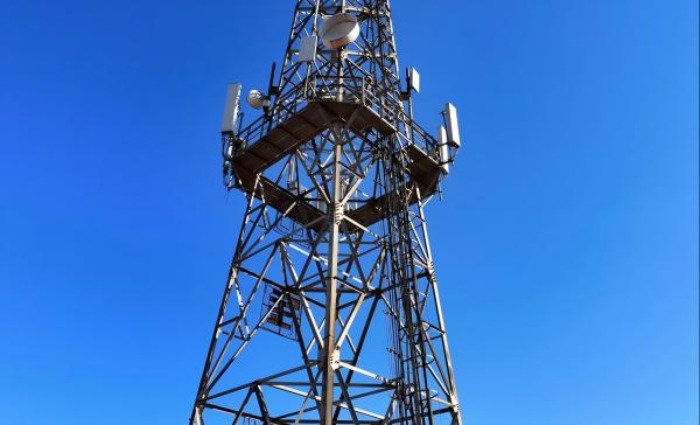
في سباق نشر الشبكات، يميل المرء إلى تقليل التكاليف الأولية. مع ذلك، فإن البرج ليس سلعة استهلاكية، بل هو أصل استراتيجي طويل الأمد للشبكة. إن الاختيار بين البرج أحادي القطب والبرج الشبكي، وبين تصميمات الأبراج الشبكية ثلاثية الأرجل ورباعية الأرجل، هو في جوهره اختيار يتعلق بمرونة شبكتك المستقبلية.
يُعدّ الاستثمار في بنية تتمتع بقوة ومساحة وقابلية للتوسع - وهي صفات تتجسد في البرج الشبكي ذي الأرجل الأربع - استثمارًا في ترقيات منخفضة التكلفة والتعقيد لعقود قادمة. فهو يضمن أنه عند حدوث الطفرة التكنولوجية التالية، سيكون التحدي الأكبر هو تركيب معدات جديدة، وليس بناء أساسات جديدة. في حسابات تطور الشبكات، يكون البرج الأغلى هو الذي لا يتطور معك.
تعرف على المزيد في www.alttower.com



 شبكة IPv6 مدعومة