

 English
 français
 русский
 español
يبحث
ما الذي تبحث عنه?
يبحث
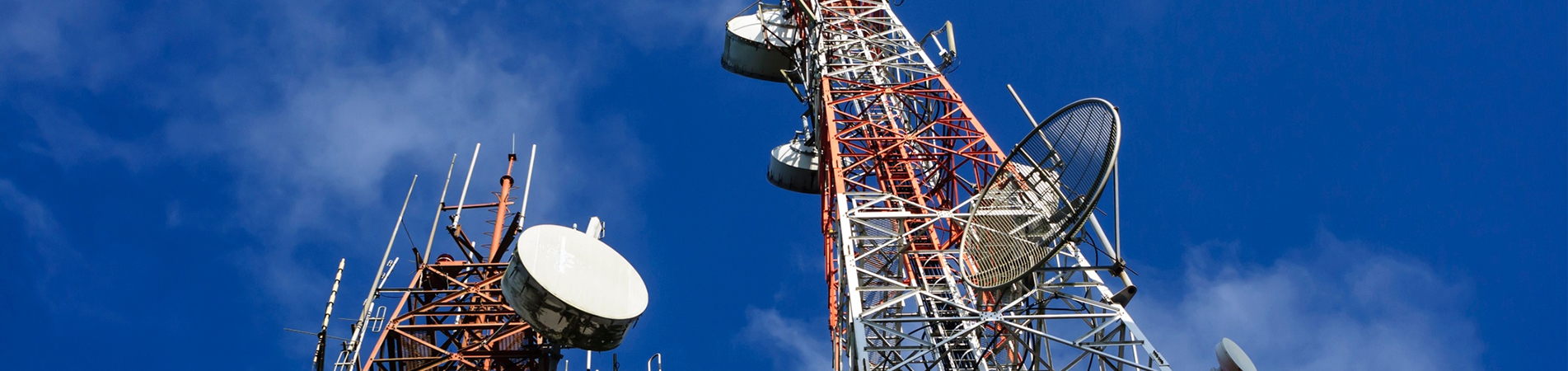
أبراج مراقبة الملاحظة هي هياكل فولاذية مرتفعة—يتراوح ارتفاعها عادةً بين 6 و50 مترًا—توفر لأفراد الأمن نقطة رؤية بزاوية 360 درجة لمراقبة مرافق البنية التحتية الحيوية. تُنشر هذه الأبراج في محطات الطاقة والسدود والموانئ، وتشكل المكوّن المرتفع من استراتيجية أمنية متعددة الطبقات، حيث تجمع بين المراقبة البشرية وتقنيات المراقبة المتقدمة (الكاميرات، والتصوير الحراري، والرادار، وتحليلات الذكاء الاصطناعي) لاكتشاف التهديدات وردعها والاستجابة لها قبل وصولها إلى الأصول الحساسة. وبفضل الجلفنة بالغمس الساخن وفقًا لمعايير ASTM A123، توفر أبراج المراقبة الحديثة عمر خدمة يتراوح بين 30 و50 عامًا دون صيانة حتى في البيئات الساحلية أو الصناعية القاسية.
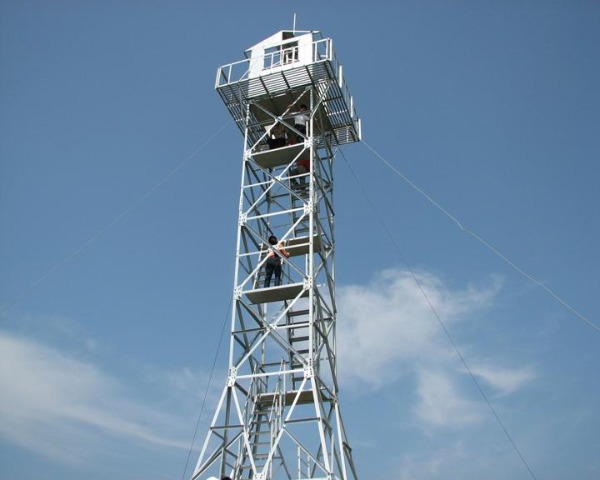
· نقطة الرؤية المرتفعة لا يمكن الاستغناء عنها: إذ تمنح الارتفاعات فرق الأمن القدرة على الرؤية خارج الأسوار، واكتشاف المتسللين مبكرًا، وتنسيق الاستجابة الأرضية
· ثلاثة تطبيقات رئيسية: محطات الطاقة (منع التسلل عبر المحيط وردع التخريب)، والسدود (المراقبة واسعة النطاق للبنية التحتية المائية ومناطق الفيضانات)، والموانئ (الوعي بالمجال البحري وأمن الشحنات)
· الجلفنة بالغمس الساخن وفق ASTM A123 مع طلاء زنك بسماكة 85–100 ميكرومتر يضمن حماية من التآكل لمدة 30–50 عامًا، وهو أمر بالغ الأهمية للمنشآت المعرضة لرذاذ الملح والرطوبة والملوثات الصناعية
· التكنولوجيا المتكاملة تحول أبراج المراقبة إلى مراكز مراقبة: كاميرات PTZ، والتصوير الحراري، والرادار، واكتشاف الحركة بالذكاء الاصطناعي، ودمج الطائرات المسيّرة
· الدفاع متعدد الطبقات: تعمل الأبراج بالتنسيق مع الدوريات الأرضية وأنظمة التحكم في الوصول ووحدات المراقبة المتنقلة لإنشاء منظومة أمنية شاملة
· التصميم المعياري يتيح النشر السريع: يمكن أن تكون الأبراج ثابتة (تركيبات دائمة)، أو مركبة على مقطورات متنقلة (يمكن إعادة نقلها خلال أقل من ساعتين)، أو مثبتة على الأسطح (دون الحاجة إلى مساحة أرضية)
تُعد مواقع البنية التحتية الحيوية—محطات الطاقة والسدود والموانئ والمحطات الفرعية والمنشآت الصناعية—أهدافًا عالية القيمة للتسلل والتخريب والسرقة والإرهاب. وتشترك هذه المنشآت في تحديات أمنية شائعة:
· المحيطات الكبيرة غير المحمية: غالبًا ما تمتد المحطات الفرعية وساحات السكك الحديدية وخطوط الأنابيب ومحطات معالجة المياه على مساحات واسعة مع أسوار أو إضاءة أو مراقبة دائمة محدودة
· المواقع النائية أو المؤقتة: تقع العديد من المواقع بعيدًا عن مراكز التجمعات السكانية أو تعمل بشكل موسمي، مما يجعل تركيبات الأمن الدائمة مكلفة
· السرقة والتخريب والتعمد في الإضرار: تشكل سرقة النحاس وتلف المعدات والتعدي والتعطيل المتعمد مخاطر مستمرة قد تؤدي إلى انقطاعات الخدمة ومخاطر على السلامة العامة
· محدودية الأفراد الموجودين في الموقع: يزيد الحد الأدنى من عدد الموظفين ليلًا أو أثناء عمليات الإيقاف للصيانة من مستوى التعرض للخطر
تعالج أبراج المراقبة هذه التحديات من خلال توفير رؤية لا مثيل لها، وردع نفسي، واستجابة سريعة للتهديدات. يشير البرج إلى أن الموقع يخضع للمراقبة والحماية—وهو رادع قوي للمتسللين المحتملين.
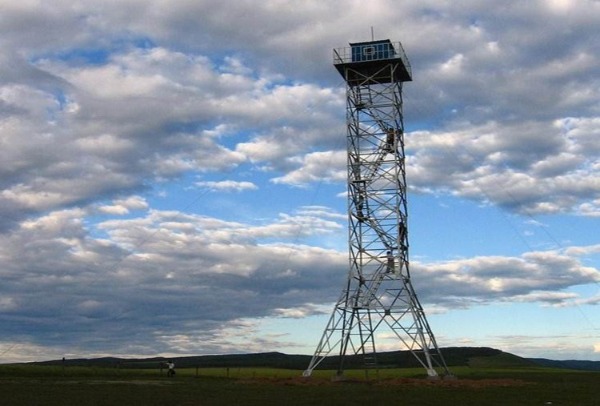
تواجه محطات الطاقة النووية والمحطات التي تعمل بالفحم والتوربينات الغازية والمحطات الفرعية ومنشآت الطاقة المتجددة تهديدات متنوعة: التسلل غير المصرح به، وتخريب المعدات الحيوية، وسرقة النحاس، والهجمات المنسقة. ويمكن لاختراق واحد أن تكون له عواقب كارثية على السلامة العامة واستقرار شبكة الكهرباء.
· الاكتشاف المبكر: تسمح الأبراج المرتفعة لفرق الأمن برصد المتسللين الذين يحاولون قطع الأسوار أو تسلق الحواجز أو إجبار نقاط الدخول قبل وصولهم إلى المناطق الحيوية
· مراقبة بزاوية 360 درجة: توفر الأبراج رؤية بانورامية فوق تخطيطات المحطات الواسعة وساحات المحولات وأبراج التبريد ومناطق تخزين الوقود
· التكامل مع أنظمة المحطة: تعمل الأبراج كمراكز مراقبة، وتستضيف كاميرات PTZ وأجهزة التصوير الحراري ومستشعرات الحركة التي ترسل البيانات إلى مراكز عمليات الأمن المركزية
· الحماية الباليستية:بالنسبة للمنشآت عالية الخطورة، يمكن تجهيز الأبراج بألواح فولاذية من المستوى III وفقًا لمعيار NIJ لحماية الأفراد من نيران الأسلحة الصغيرة
تعمل أبراج الحراسة الحديثة كمراكز مراقبة تساعد فرق الأمن على تتبع التهديدات المحتملة والاستجابة لها. في محطات الطاقة النووية والمحطات الفرعية، يُعد إيقاف المتسللين قبل وصولهم إلى الموقع أمرًا بالغ الأهمية.
تُعد السدود والخزانات ومنشآت معالجة المياه ضرورية لإمدادات المياه العامة والسيطرة على الفيضانات وتوليد الطاقة الكهرومائية. وغالبًا ما تقع في مناطق نائية، وتمتد عبر خزانات شاسعة وأنظمة أنهار واسعة، مما يجعل المراقبة الشاملة أمرًا صعبًا من الناحية اللوجستية.
· المراقبة واسعة النطاق: توفر الأبراج الموضوعة في نقاط استراتيجية على طول محيطات السدود وشواطئ الخزانات رؤيةً على مساحات مائية كبيرة والتضاريس المحيطة
· مراقبة مناطق الفيضانات: يمكن نشر أبراج المراقبة المتنقلة بسرعة لمراقبة مناطق الفيضانات وسلامة السدود ومستويات المياه أثناء الأحداث الجوية القاسية
· بنية تحتية متعددة الاستخدامات: يمكن للأبراج استضافة كل من كاميرات الأمن وأجهزة الاستشعار البيئية لمراقبة سلامة السدود وتتبع مستويات المياه وأنظمة الإنذار المبكر بالفيضانات
· القدرة على العمل خارج الشبكة: تُنشئ أنظمة المراقبة التي تعمل بالطاقة الشمسية نقاط أمنية مكتفية ذاتيًا في مواقع السدود النائية، وتعمل على مدار الساعة طوال أيام الأسبوع دون الاعتماد على طاقة الشبكة
أدى استخدام أبراج المراقبة VIDEO GUARD إلى تحسين الأمن بشكل كبير في مناطق الفيضانات، مما يوفر مراقبة مرنة على مدار الساعة.
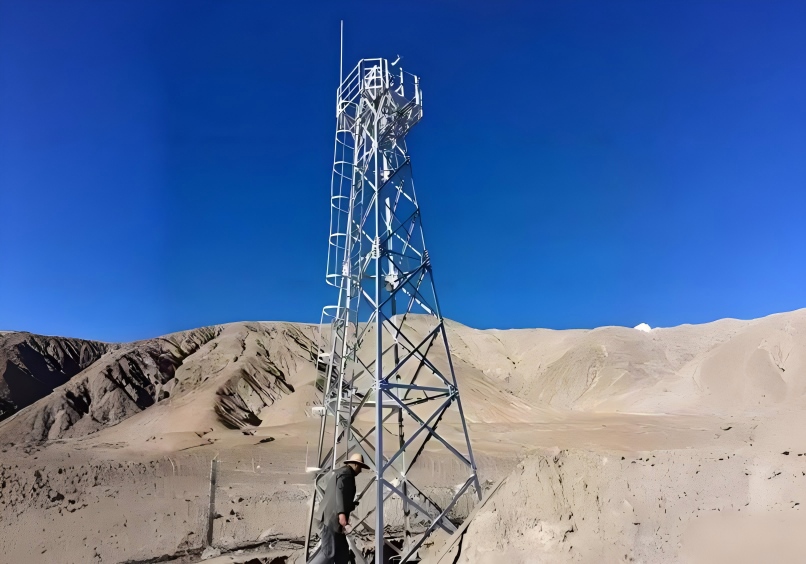
الموانئ بيئات معقدة وعالية الحركة تضم نقاط دخول متعددة، وواجهات بحرية واسعة، ومناطق تخزين بضائع شاسعة، وحركة مستمرة للسفن. وتشمل التهديدات الأمنية الدخول غير المصرح به، وسرقة البضائع، والتهريب، والإرهاب، والتخريب.
· الوعي بالمجال البحري: توفر الأبراج المزودة برادارات عالية الدقة وكاميرات مراقبة وأنظمة GPS رؤى شاملة لحركة السفن داخل الميناء وحوله
· المراقبة الساحلية والواجهة البحرية: تراقب أبراج الموانئ اقتراب السفن، وتكتشف المركبات المائية غير المصرح بها، وتتتبع السباحين أو الغواصين الذين يحاولون اختراق الأمن
· مراقبة ساحات البضائع: تسمح نقاط الرؤية المرتفعة لفرق الأمن بالإشراف على مناطق تخزين الحاويات الشاسعة، وتحديد الأنشطة المشبوهة، وتنسيق الاستجابة
· المتانة في البيئات القاسية: يجب أن تتحمل الأبراج المنشورة في الموانئ رذاذ الملح والرياح القوية والتآكل البحري — ويُعد الجلفنة بالغمر الساخن وفقًا لمعيار ASTM A123 أمرًا ضروريًا لطول العمر
يتميز برج تحكم متقدم في ميناء الدار البيضاء بتقنيات حديثة تشمل رادارات عالية الدقة وكاميرات مراقبة وأنظمة GPS، مما يوفر للمراقبين رؤية شاملة لحركة السفن.
| المعيار | المواصفة |
|---|---|
| الارتفاع | من 6 أمتار إلى 50 مترًا (تتوفر ارتفاعات مخصصة) |
| أبعاد القاعدة | 3م × 3م (قياسي)؛ قابلة للتوسيع إلى 4م × 4م |
| سعة التحميل | 6–10 أفراد + معدات بوزن 500 كجم |
| المادة | فولاذ منخفض السبائك عالي المتانة (Q345B/A572 Gr50/S355JR) |
| الطلاء | مجلفن بالغمس الساخن وفقًا لمعيار ASTM A123 (زنك بسماكة 85–100μm) |
| تصنيف مقاومة الرياح | 150 كم/ساعة أثناء التشغيل؛ 200 كم/ساعة أثناء التحمل |
| درجة حرارة التشغيل | من -40°C إلى +55°C |
| عمر الخدمة | 30–50 سنة مع الطلاء المناسب |
| معيار اللحام | AWS D1.1 |
تم تصميم أبراج المراقبة الحديثة كمنصات تقنية قادرة على استضافة:
كاميرات PTZ بعيدة المدىمع تكبير بصري
أنظمة التصوير الحراري والرؤية الليلية
مستشعرات رادارية لمحيط الحماية وكشف الحركة
مراقبة مدعومة بالذكاء الاصطناعيمع كشف الأجسام (الطائرات المسيرة، المتسللون، المركبات)
معدات الاتصالاتلتنسيق الفرق الأرضية
أنظمة الطاقة الهجينة الشمسية مع بطارية احتياطية (استقلالية لمدة 72 ساعة)
الحماية الباليستية (اختياري NIJ المستوى III)
| النوع | الميزة الرئيسية | الأفضل لـ |
|---|---|---|
| برج ثابت | أقصى قدر من الاستقرار، حماية دائمة | محطات الطاقة، السدود، السجون، الحدود |
| مقطورة متنقلة | قابلة لإعادة التموضع خلال أقل من ساعتين | أمن الفعاليات، مواقع البناء، التهديدات المؤقتة |
| مثبت على السطح | بدون أي مساحة أرضية مشغولة | المستودعات، الموانئ ذات المساحات المحدودة |
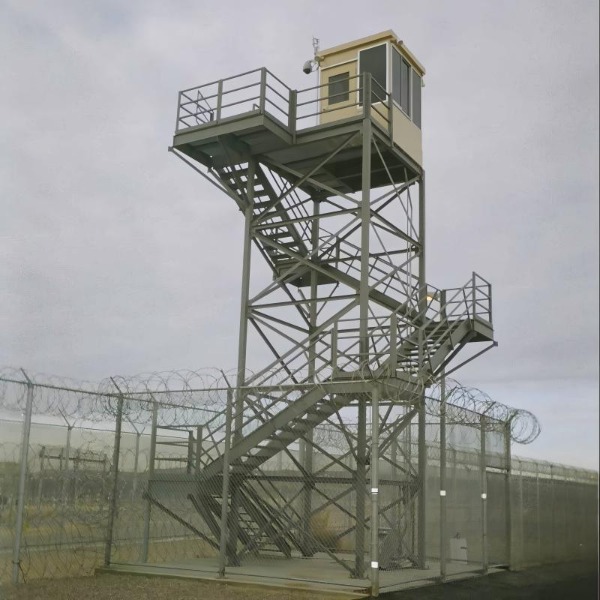
تكون أبراج المراقبة أكثر فعالية كجزء مننهج أمني متعدد الطبقاتيجمع بين المراقبة المرتفعة والاستجابة على مستوى الأرض.
الطبقة 2: حماية المحيط (الأرض)
تؤمّن الأسوار، وأنظمة التحكم في الوصول، وأجهزة استشعار الحركة، والدوريات الأرضية محيط المنشأة. تستجيب الفرق الأرضية للتنبيهات من مراقبي الأبراج وتعترض المتسللين.
الطبقة 3: تكامل التكنولوجيا (المراقبة)
توفر الكاميرات، وأجهزة التصوير الحراري، والرادار، وتحليلات الذكاء الاصطناعي مراقبة مستمرة تعزز المراقبة البشرية. تعمل الأبراج كمراكز قيادة حيث تنسق فرق الأمن الاستجابة.
معًا، تنشئ الأبراج المأهولة ومقطورات الكاميرات المتنقلة استراتيجية أمن متعددة الطبقات تجمع بين الذكاء البشري والمراقبة المستمرة المدعومة بالتكنولوجيا. يضمن هذا النهج ما يلي:
· اكتشاف التهديدات في أقرب مرحلة ممكنة
· تكون الاستجابة منسقة وحاسمة
· تقليل النقاط العمياء إلى الحد الأدنى
· بقاء أفراد الأمن محميين أثناء أداء مهامهم
شركة Qingdao Altai Tower Co., Ltd. هي شركة مصنعة متخصصة لأبراج الاتصالات، وأبراج الطاقة، وملحقات الأبراج، مع شهادات دولية ISO وCE و23 براءة اختراع دولية. تم تصميم أبراج الحراسة للمراقبة التابعة للشركة لتوفير مراقبة بزاوية 360 درجة، مما يسمح لأفراد الأمن برؤية الأوضاع المحيطة وحماية المنشآت من الطقس والتهديدات.
| الطراز | الارتفاع | الميزات الرئيسية | |
|---|---|---|---|
| AT-G06 | 15–25م | مجلفن بالغمس الساخن، رؤية بزاوية 360°، قابل للتخصيص | |
| AT-G15 | 25م | مراقبة بانورامية، تطبيقات صناعية/عسكرية | |
| متعدد الوظائف | 30م | مراقبة أمنية، ومراقبة، واستجابة للطوارئ |
القدرة الإنتاجية:2,000–3,000 طن متري شهريًا
الجلفنة: ورشة عمل داخلية مزودة بمعدات إيطالية، مع الالتزام الصارم بمعيار ASTM A123
مدة التسليم: 30 يومًا بعد الدفع
التغليف: تغليف مناسب للنقل البحري مع أربطة مجلفنة
تتوافق أبراج المراقبة التابعة لـ Qingdao Altai Tower مع:
ASTM A123:مواصفات الجلفنة بالغمس الساخن
AWS D1.1: معايير اللحام
ISO 898-1/-2: الخصائص الميكانيكية للمسامير والصواميل
سرعة الرياح التصميمية: حتى 250 كم/ساعة
ج: توفر الأبراج المجلفنة بالغمس الساخن وفقًا لمعيار ASTM A123 عمر خدمة يتراوح بين 30 و50 عامًا دون الحاجة إلى صيانة، وذلك حسب الظروف البيئية. في بيئة C3 (المعتدلة) النموذجية، يمكن لطبقة طلاء بسماكة 85μm أن تدوم لأكثر من 50 عامًا.
ج: يعتمد الارتفاع على حجم المنشأة والتضاريس. النطاقات النموذجية:
6–12م: المواقع الصناعية الصغيرة، والمستودعات، وأمن الفعاليات
15–25م: محطات الطاقة، والمحطات الفرعية، والمنشآت متوسطة الحجم
25–50م: الموانئ الكبيرة، والمنشآت العسكرية، والمراقبة واسعة النطاق
ج: نعم. يمكن نقل الأبراج المتنقلة المثبتة على مقطورات خلال أقل من ساعتين. أما الأبراج الثابتة فهي منشآت دائمة؛ ولا تتطلب الخيارات المثبتة على الأسطح مساحة أرضية.
ج: تدمج الأبراج الحديثة كاميرات PTZ بعيدة المدى، وأنظمة التصوير الحراري، وأجهزة الرؤية الليلية، ومستشعرات رادار لمحيط المنشأة، وتقنيات كشف الحركة المدعومة بالذكاء الاصطناعي، ومعدات الاتصالات، ودمج الطائرات المسيّرة.
ج: نعم. صُممت الأبراج المجلفنة بالغمس الساخن وفقًا لمعيار ASTM A123 لتحمل سرعات رياح تصل إلى 250 كم/ساعة ودرجات تشغيل تتراوح من -40°C إلى +55°C. تدعم التوصيلات المسبقة الاختيارية لأنظمة التدفئة والتهوية وتكييف الهواء التشغيل في المناخات القاسية.
ج: توفر الأبراج الحكم البشري والقدرة على الاستجابة الفورية التي لا تستطيع الأنظمة الآلية مجاراتها. يمكن للأفراد الموجودين على ارتفاعات عالية تحديد التهديدات في وقت مبكر، وتتبع الحركة عبر مسافات طويلة، وتوجيه الفرق الأرضية، ومراقبة النقاط العمياء التي تفوتها الكاميرات، وتنسيق الاستجابة للطوارئ.
ج: الحد الأدنى. لا يتطلب الطلاء المجلفن بالغمس الساخن طلاءً إضافيًا أو إعادة طلاء منتظمة. يُوصى بإجراء فحص بصري دوري لسلامة الطلاء والوصلات الهيكلية. يوفر طلاء الزنك التضحيتي حماية كاثودية حتى في حال تعرضه للخدش.
تتطلب حماية البنية التحتية الحيوية استراتيجية أمنية تكون واضحة واستباقية ومتعددة الطبقات. توفر أبراج المراقبة نقطة رؤية مرتفعة لا يمكن لأي كاميرا أرضية أو دورية أن تضاهيها—القدرة على الرؤية خلف الأسوار، واكتشاف التهديدات مبكرًا، وتنسيق الاستجابة الحاسمة.
عند نشرها كجزء من نظام أمني متعدد الطبقات يجمع بين الأبراج والدوريات الأرضية وتقنيات المراقبة المتكاملة، تنشئ أبراج المراقبة دفاعًا عميقًا يحمي الأصول التي يعتمد عليها المجتمع أكثر من غيرها. تتميز هذه الهياكل بالجلفنة بالغمس الساخن وفقًا لمعيار ASTM A123، وتوفر خدمة موثوقة لعقود في أقسى البيئات—الموانئ الساحلية، ومحطات الطاقة الصناعية، ومواقع السدود النائية.
بالنسبة لمالكي المنشآت ومتخصصي الأمن، لا يتمثل السؤال في ما إذا كان ينبغي نشر أبراج المراقبة، بل في مدى سرعة تركيبها لسد الثغرات الأمنية الحرجة. في عصر التهديدات المتطورة، يظل البرج الذي يوفر الارتفاع والرؤية والحكم البشري أحد أكثر الاستثمارات الأمنية فعالية المتاحة.
هل أنت مستعد لتأمين بنيتك التحتية الحيوية باستخدام أبراج مراقبة مخصصة؟ تواصل مع فريق الهندسة في Qingdao Altai Tower اليوم لإجراء تقييم للموقع، وتصميم مخصص، وعرض مفصل لبرج أمني.



 شبكة IPv6 مدعومة